TravelBits — Destinations explored through stories, not checklists.

Travel Guide

Cambodia

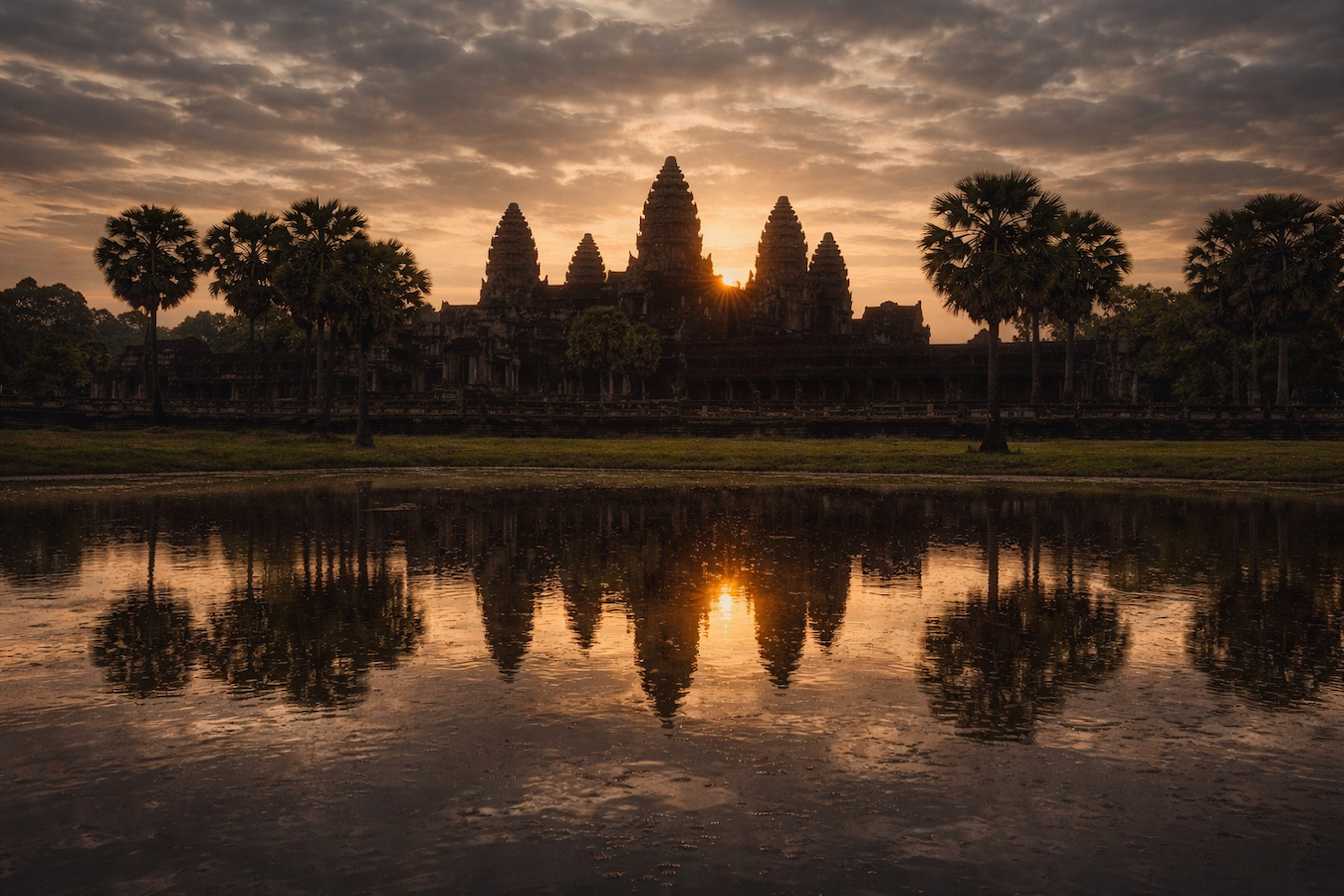
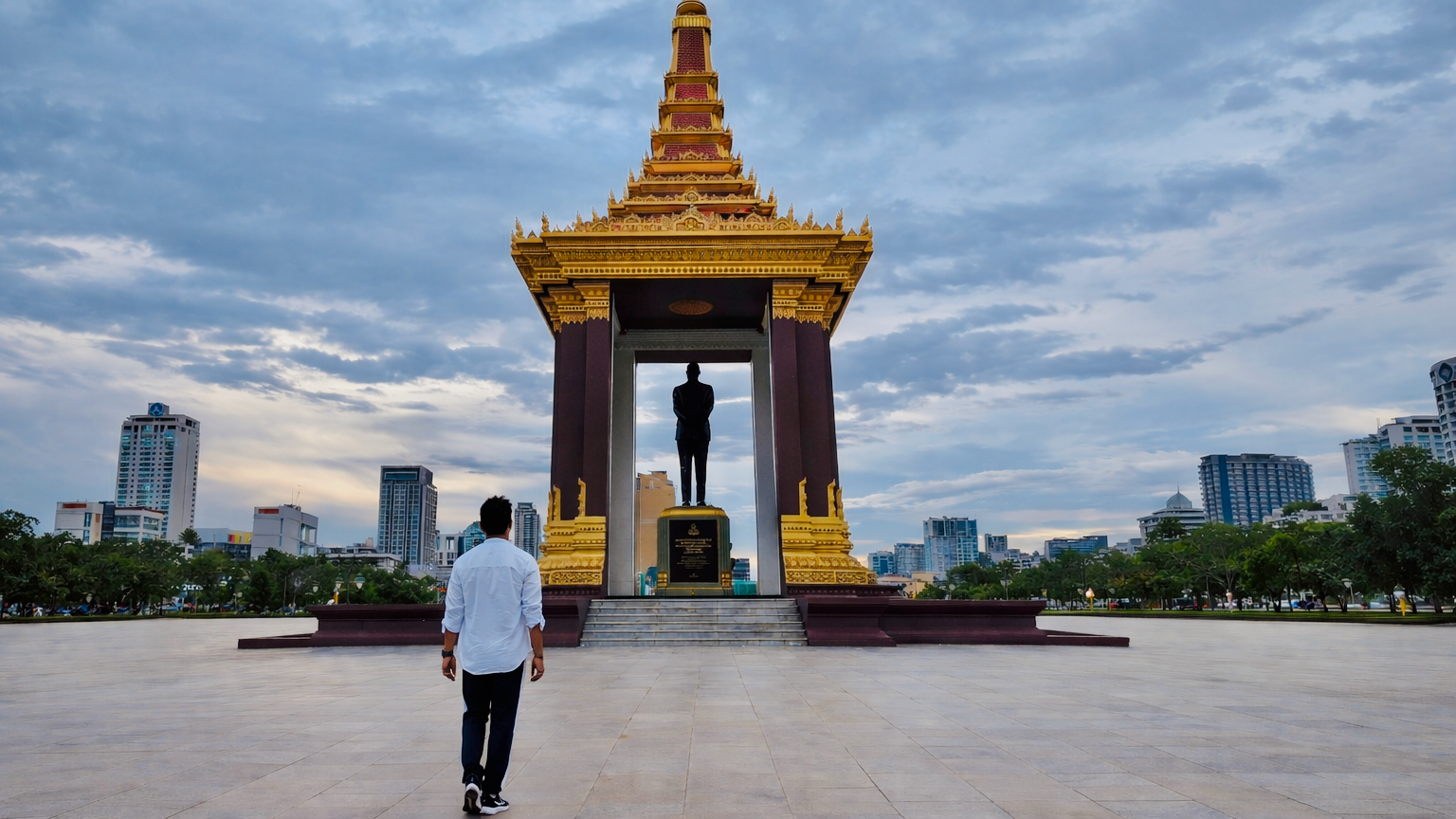
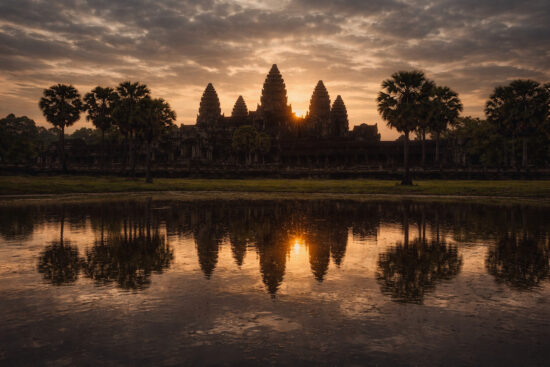
Cambodia has ancient temples, busy streets, and quiet beaches. I went from watching sunrise at Angkor Wat to wandering through Phnom Penh’s markets, and every day felt different.

This guide covers where to stay, what to see, places most people miss, and tips I picked up along the way. Whether you’re into history, food, or just want to relax on a beach, I’ll walk you through how to plan it.

Best Places to Visit

Explore Cambodia's Explore Vietnam’s diverse landscapes — from ancient towns and vibrant cities to serene natural wonders.

Best photography Places in Cambodia

Discover the most Instagrammable spots alongside lesser-known photography gems across the country.

View Photo Stories →


10 Most Instagrammable Spots in Siem Reap: My Ultimate Photo Guide

Read Story →

Country Information

Weather In Cambodia

Cambodia stays warm all year. The dry season from November to April is when most people visit—it’s cooler and easier to explore. The rainy season brings short afternoon showers, everything turns green, and you’ll see fewer tourists at the temples.

Jan - Feb Best for Angkor temples
24-28°C
Mar - Apr Best for Phnom Penh
30-35°C
May - Jun Greener countryside
28-32°C
Jul - Aug Lower travel costs
27-31°C
Sep - Oct Peak greenery, fewer tourists
26-30°C
Nov - Dec Best overall time to visit
23-27°C

Cambodia Currency

The official currency is the Cambodian Riel, but almost everyone uses US Dollars. Prices are usually in USD, and you’ll get riel back as change for small amounts. ATMs are easy to find in cities and tourist spots.

Cambodia Transport

  • Tuk-tuks: These are everywhere in Phnom Penh and Siem Reap—they’re cheap, open-air, and honestly the best way to get around.
  • Ride-Hailing: Taxis and ride-hailing apps (like Grab) work well in cities.
  • Inter-city: For longer trips between cities, buses and minivans are comfortable and affordable.

Safety in Cambodia

I felt safe the whole time I was there. People are friendly and laid-back. Like anywhere, keep an eye on your bag in crowded markets and stick to trusted tuk-tuk drivers. Common sense goes a long way.

Cambodia Cuisine

Cambodian food is light, fresh, and not too spicy. Most dishes are rice-based with herbs, vegetables, and mild broths.

Must-tries: Fish amok (curry steam-cooked in banana leaves) and beef lok lak.

Halal Food in Cambodia

Halal options are mostly in Phnom Penh and Siem Reap, where there are small Muslim communities. You’ll find halal Cambodian food, plus Indian and Middle Eastern spots. Seafood and vegetarian meals are also easy to come by.
What's the best time to visit Cambodia for ideal weather?

The dry season, from November to April, is generally considered the best time for Cambodia travel. You'll experience plenty of sunshine, lower humidity, and pleasant temperatures, perfect for exploring Angkor Wat and the beaches. Just remember it can get quite hot in March and April!

Do I need a visa to travel to Cambodia?

Most nationalities do need a visa for Cambodia. You can usually obtain a visa on arrival at major airports like Siem Reap and Phnom Penh, or at land border crossings. An e-visa is also a convenient option to apply online before your trip, saving you time upon arrival.

What currency is used in Cambodia, and should I bring cash?

The official currency is the Cambodian Riel (KHR), but US dollars are widely accepted throughout Cambodia. It's a good idea to bring a mix of USD for larger expenses and some Riel for smaller purchases and local markets. ATMs are available in major cities, but it's wise to have cash on hand, especially in more rural areas.

What are some must-see attractions besides Angkor Wat?

While Angkor Wat is incredible, Cambodia has so much more to offer! Phnom Penh, the capital, has poignant historical sites like the Killing Fields and S-21 Prison. You can relax on the beautiful beaches of Sihanoukville and the islands, or explore the charming colonial town of Battambang. Don't forget the Tonle Sap Lake, Southeast Asia's largest freshwater lake, with its unique floating villages.

Is it safe to travel in Cambodia?

Cambodia is generally a safe country for tourists, but like any destination, it's important to be aware of your surroundings. Petty theft can occur, particularly in crowded areas, so keep your belongings secure. Avoid displaying expensive jewelry and be cautious with your belongings, especially at night. Landmines remain a concern in some rural areas, so stick to well-traveled paths and heed local advice.

What should I wear when visiting temples in Cambodia?

When visiting temples like Angkor Wat, it's important to dress respectfully. Cover your shoulders and knees, so avoid wearing tank tops, shorts, or revealing clothing. Lightweight, breathable fabrics are ideal in Cambodia's climate, and you might want to pack a scarf or sarong to cover up when needed.

What's the food like in Cambodia, and what should I try?

Cambodian cuisine, also known as Khmer cuisine, is delicious and flavorful! Be sure to try Amok, a creamy coconut fish curry, and Lok Lak, stir-fried beef in a flavorful sauce. Fresh spring rolls and the local noodle soup, Kuy Teav, are also popular choices. Don't be afraid to sample street food – it's a great way to experience local flavors (just be sure to choose vendors with high turnover and clean-looking stalls).

How do I get around in Cambodia?

There are several ways to get around Cambodia. Tuk-tuks are a fun and affordable option for short distances in cities. Taxis and ride-hailing apps are also available in major urban areas. Buses are a popular and budget-friendly way to travel between cities, while domestic flights can save time if you're covering longer distances. Consider hiring a private driver for longer trips or day excursions.

The World

IS A CANVAS TO THE IMAGINATION