
Biography
Travel Guide

Vietnam is one of the few places where the gap between north and south feels like two different countries. The north is cool, mountainous, and historically layered. The south is flat, fast, and permanently warm. November to April is the most reliable window for travel, though the central coast has its own rainy season from September to November that catches people off guard. Budget travelers do well here. Solo travelers do well here. Anyone who moves slowly and eats street food does especially well here.
Beyond the bustling city life, explore Vietnam’s rich history and diverse landscapes, from lush mountains to winding rivers. It’s an unforgettable blend of culture, adventure, and amazing flavors waiting for you!
Every corner of Vietnam pulls in a different direction. These are the places worth building your trip around.
The best frames in Vietnam — from iconic skylines to the spots most travelers walk straight past.
View Photo Stories →A practical route through Vietnam — paced for real travelers, not highlight reels.
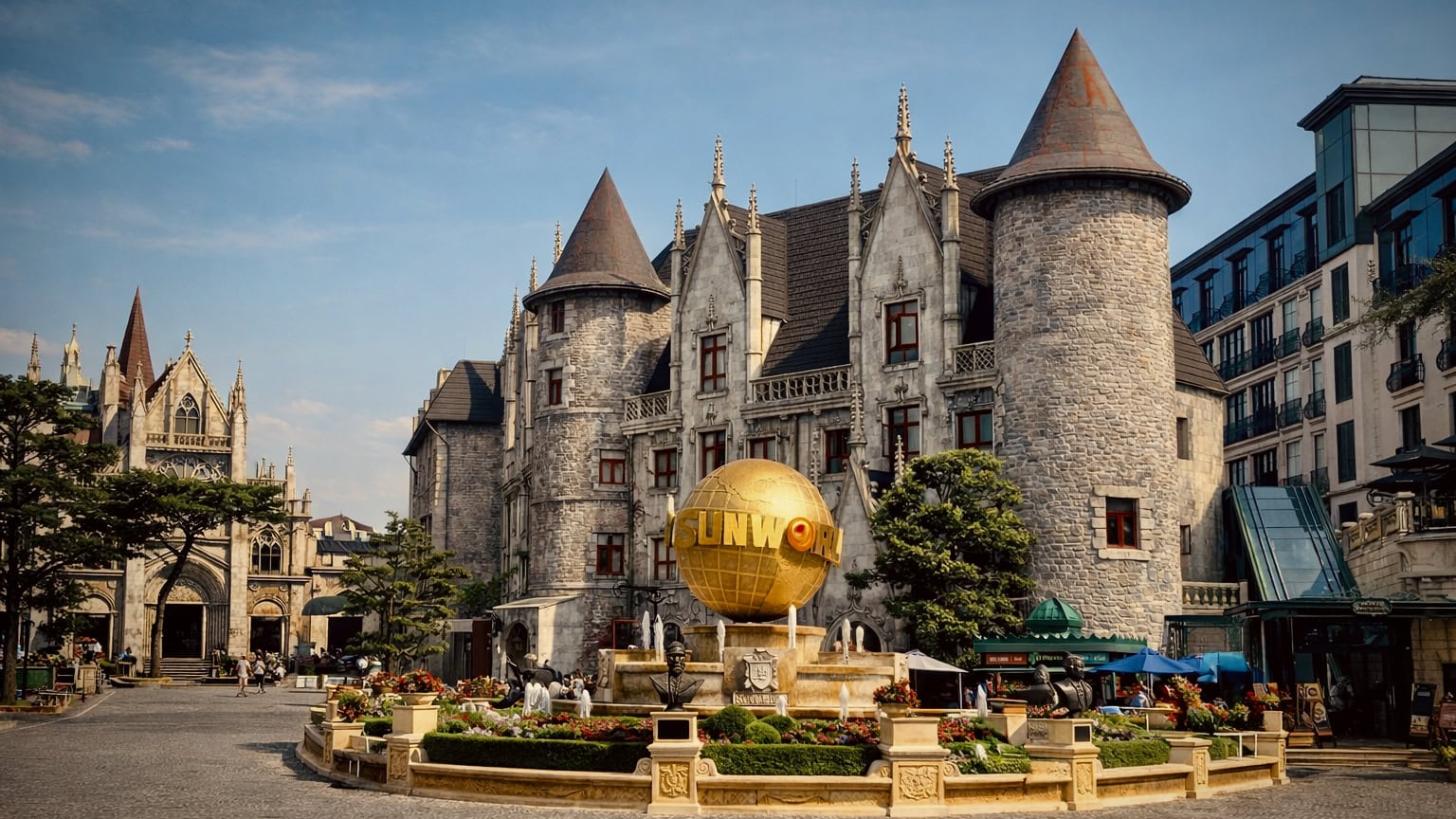
I took the last cable car up at 4:30pm and watched the day-trippers disappear below me. By 6pm, the French…
Read Guide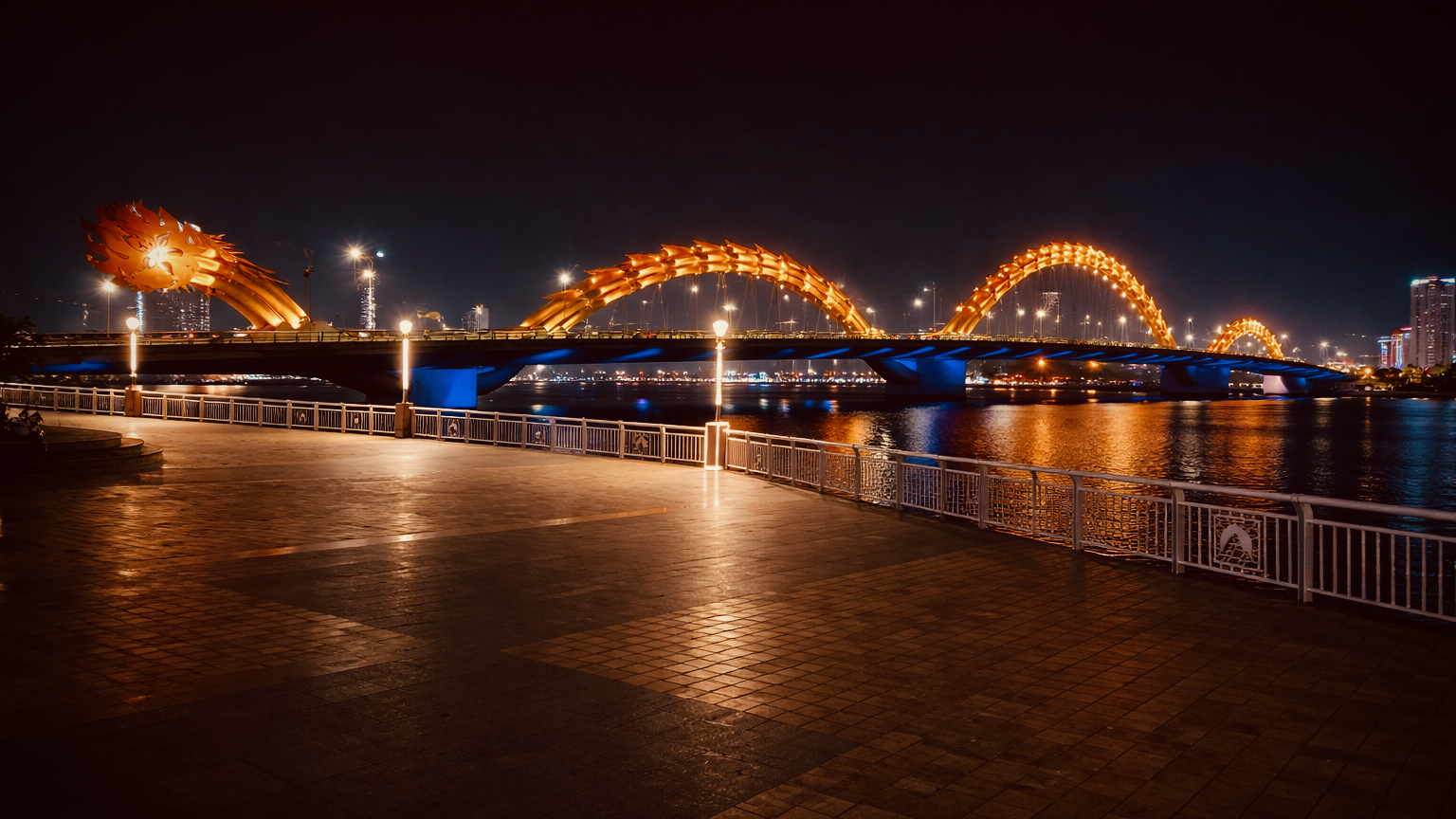
I showed up to Da Nang with a half-charged phone and no plan, and still came away with some of…
Read Guide
The cable car takes about 20 minutes to reach the top. By the time I stepped off, my ears had…
Read GuideVietnam has a subtropical climate in the north and tropical in the center and south, with weather varying significantly by region and strongly shaped by two monsoon systems.
The official currency is the Vietnamese Dong (VND). The numbers are large — you’ll be handling millions — so double-check before handing over notes, especially in the first few days. Cards are accepted at hotels, supermarkets, and most restaurants in cities, but street food stalls and local markets are cash only. Withdraw from ATMs in cities; rural ATMs are unreliable and often run out of cash on weekends.
Open-tour buses and domestic flights are the most practical options between major cities. For Hanoi to Ho Chi Minh City, a flight takes 2 hours and costs as little as 400,000 VND booked in advance. Within cities, Grab is the default — it works for both cars and motorbike taxis and is consistently cheaper than hailing off the street. The train is worth taking for the coastal stretch between Da Nang and Hue specifically, where the views are genuinely worth the slower pace.
Vietnam is generally safe for independent travelers, with violent crime against tourists being rare. The main thing to watch is petty theft in busy areas, particularly motorbike bag snatching in Ho Chi Minh City. Keep bags on your lap in tuk-tuks and hold phones away from the street when using them.
Vietnamese food is built around freshness — herbs, light broths, rice noodles, and minimal heavy sauces. The regional differences matter more than most travelers expect: pho is a northern dish, banh mi is everywhere but best in the central and southern cities, and com tam (broken rice with grilled pork) is a Ho Chi Minh City staple worth knowing by name.
Halal options are available in Ho Chi Minh City and Hanoi, concentrated around Indian, Middle Eastern, and Malay restaurants. Outside major cities, pork appears in many dishes and isn’t always labeled, so asking directly or looking for restaurants with halal certification is the most reliable approach.
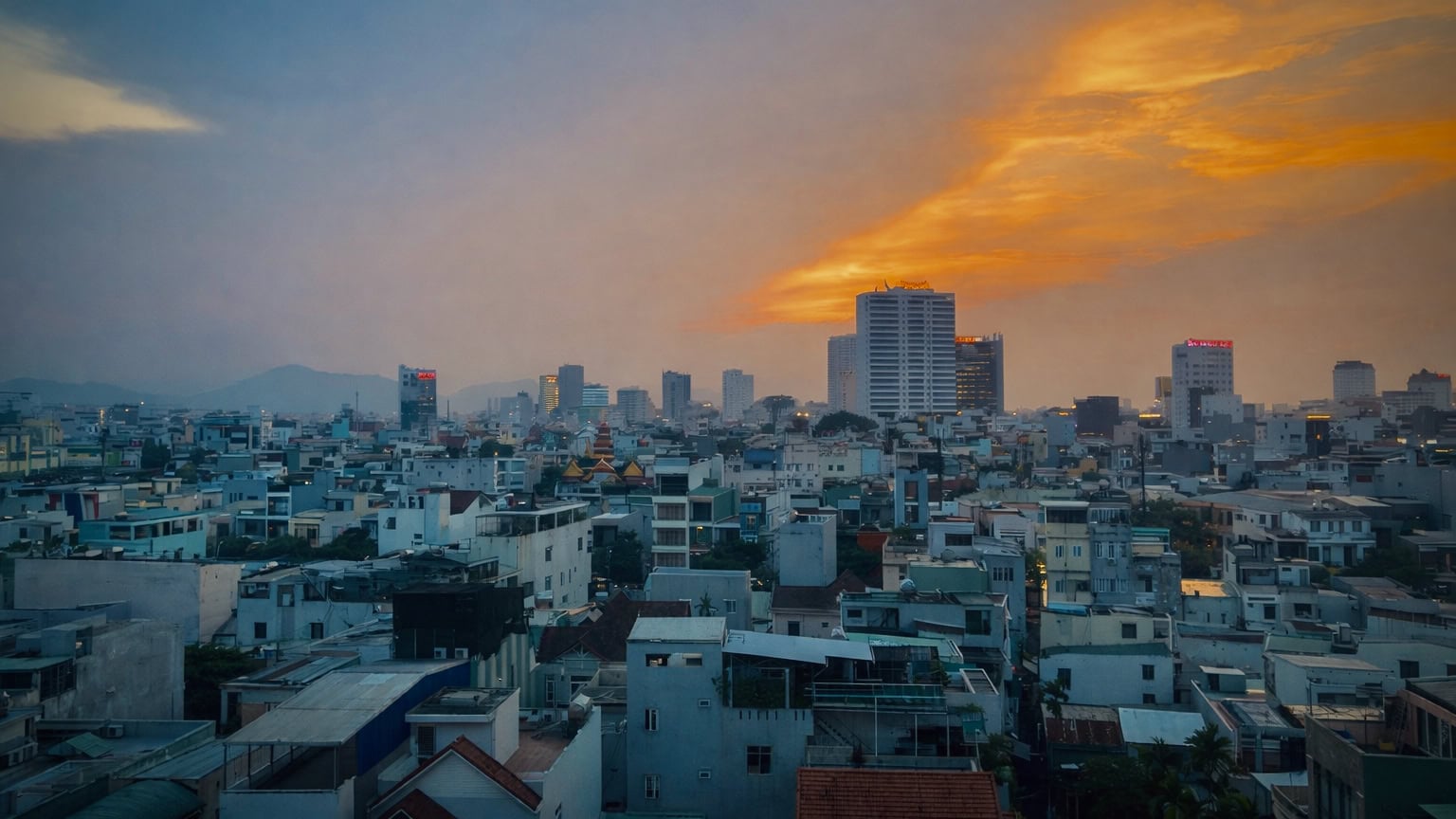
Planning a trip to Vietnam? Here’s everything you need before you go—where to stay, how to get around, and what to book ahead. From flights to tours, we’ve got your travel essentials covered.

Follow Us On Instagram
For daily travel inspiration and stunning photos, follow @travel_bites
The World
IS A CANVAS TO THE IMAGINATION