
TravelBits β€” Destinations explored through stories, not checklists.

Travel Guide

Thailand

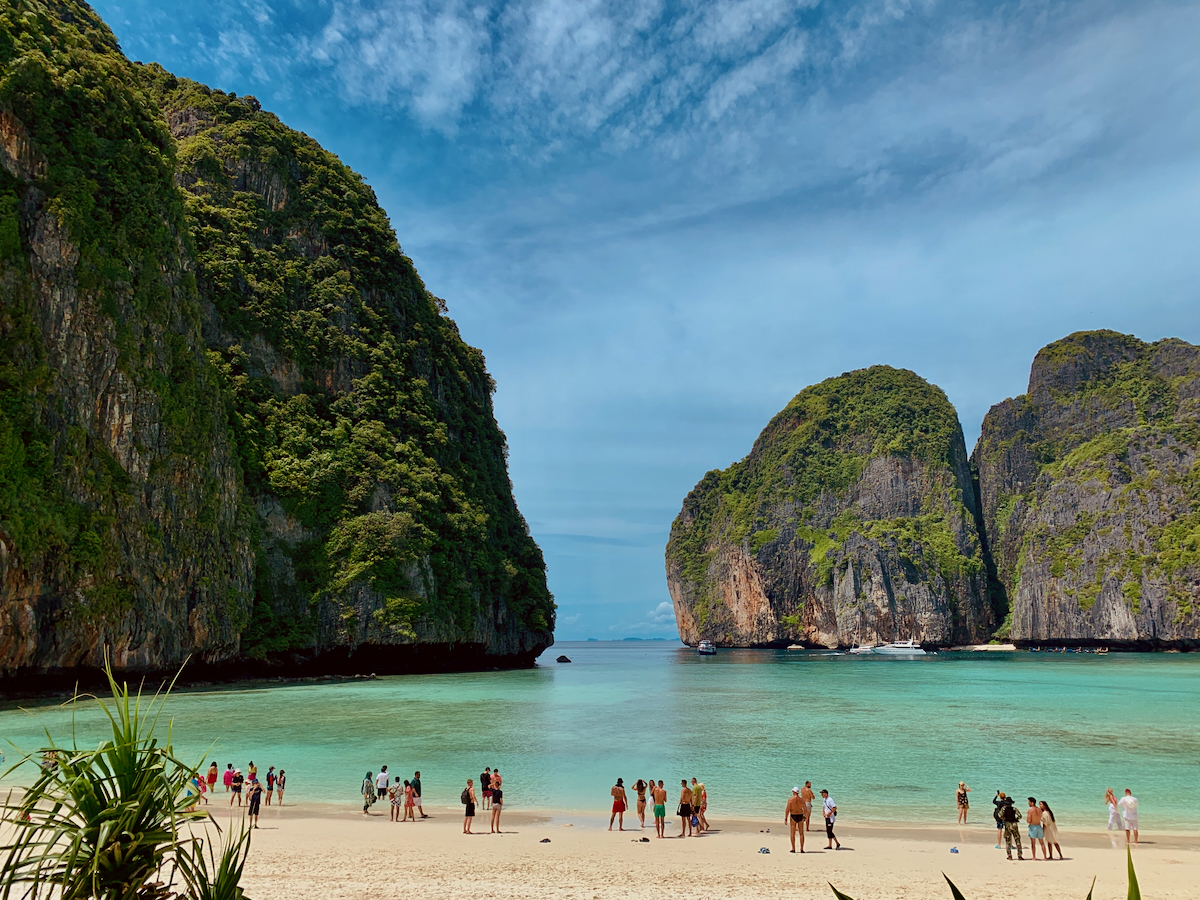
Thailand is one of the most accessible countries in Southeast Asia, and it earns that reputation. The food alone is reason enough to come: a bowl of boat noodles costs less than a dollar and tastes better than most restaurant meals I’ve had anywhere. November through February is the best time to visit, when temperatures drop to something comfortable and the skies stay clear. Budget travelers can move well here on $30–$40 a day; independent-minded travelers who want both cities and beaches will find Thailand one of the most rewarding countries to navigate at their own pace.

Best Places to Visit

Every corner of Thailand pulls in a different direction. These are the places worth building your trip around.

Top Destinations to Explore

No posts found for this category.

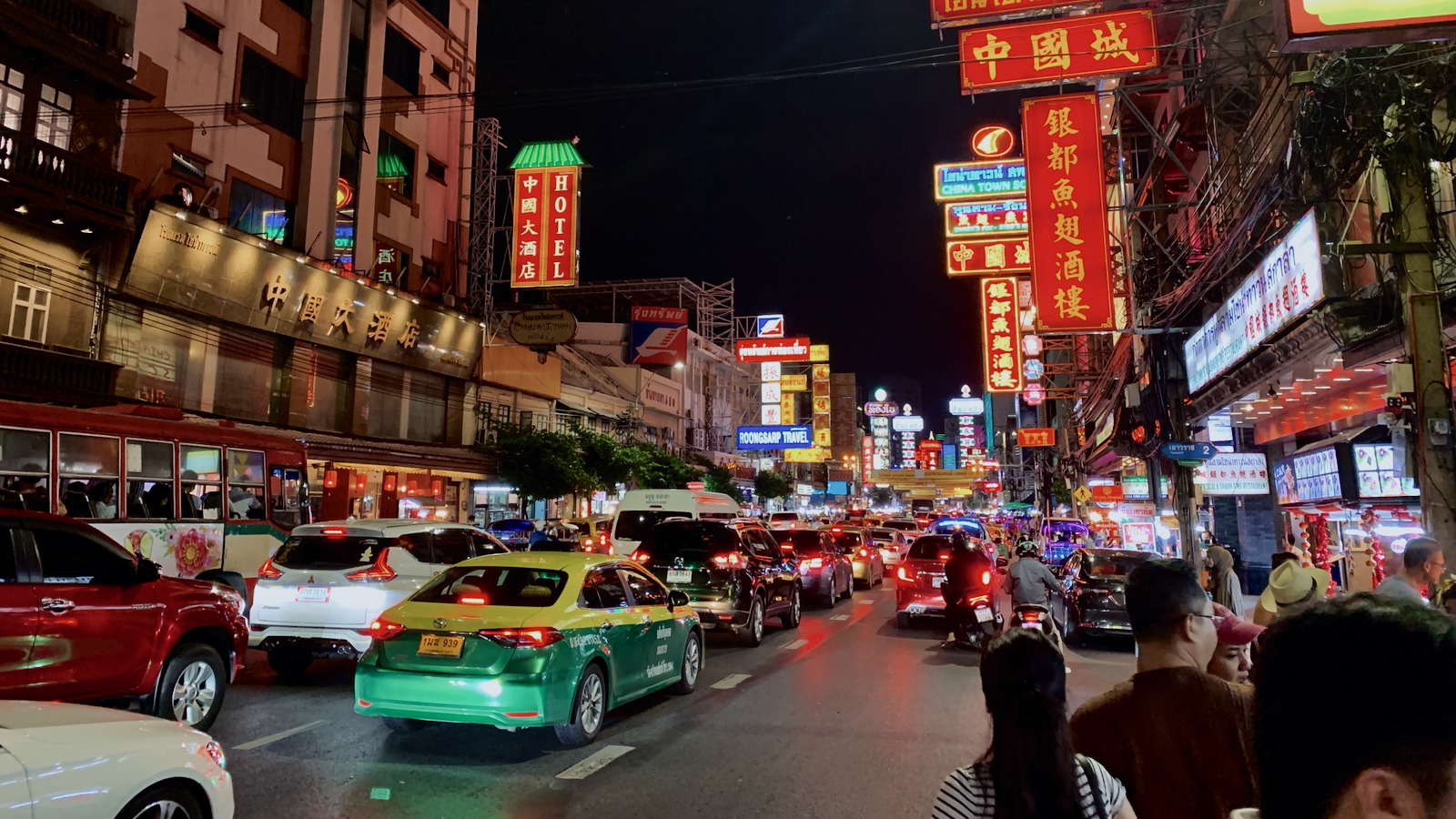
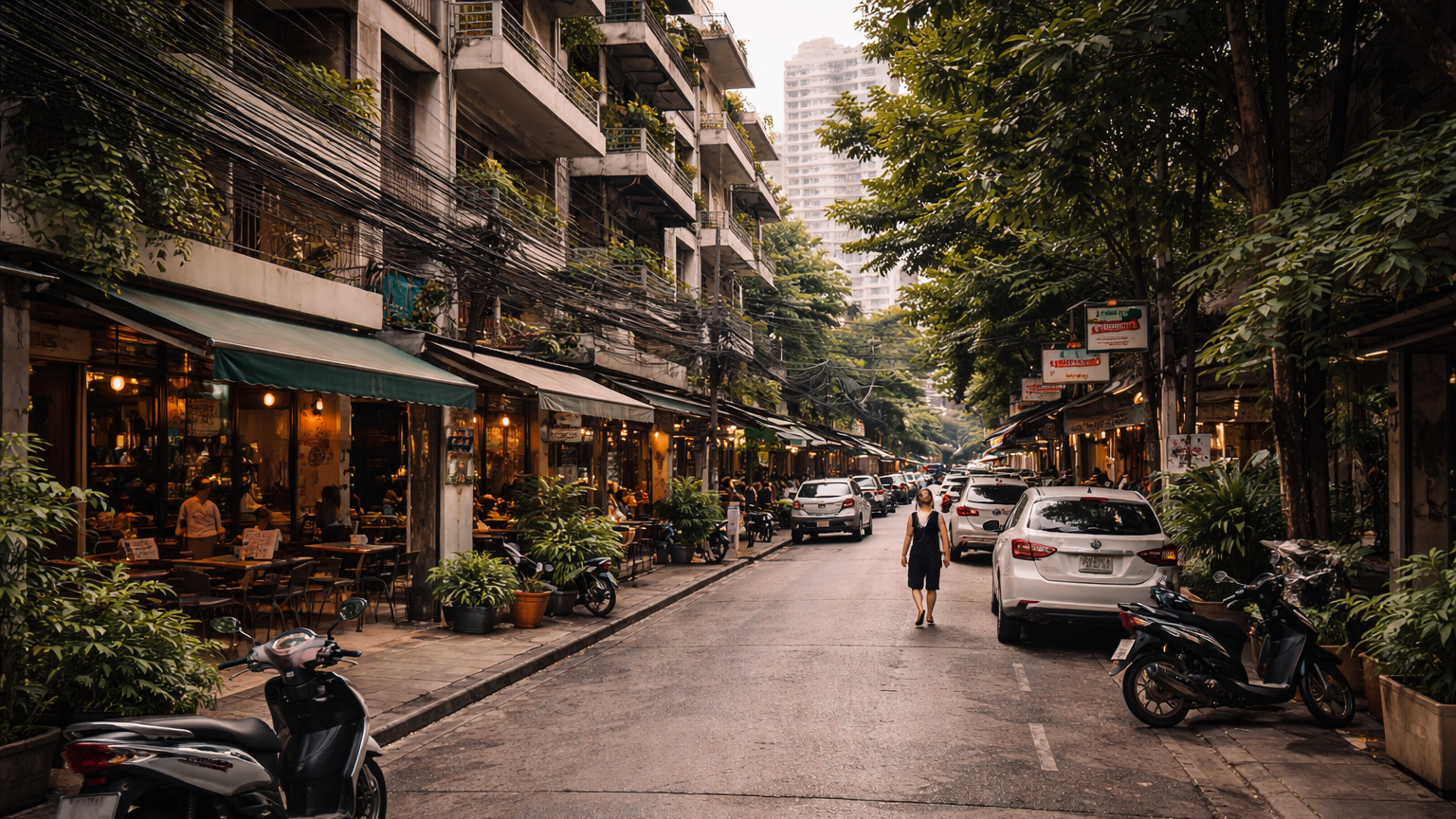
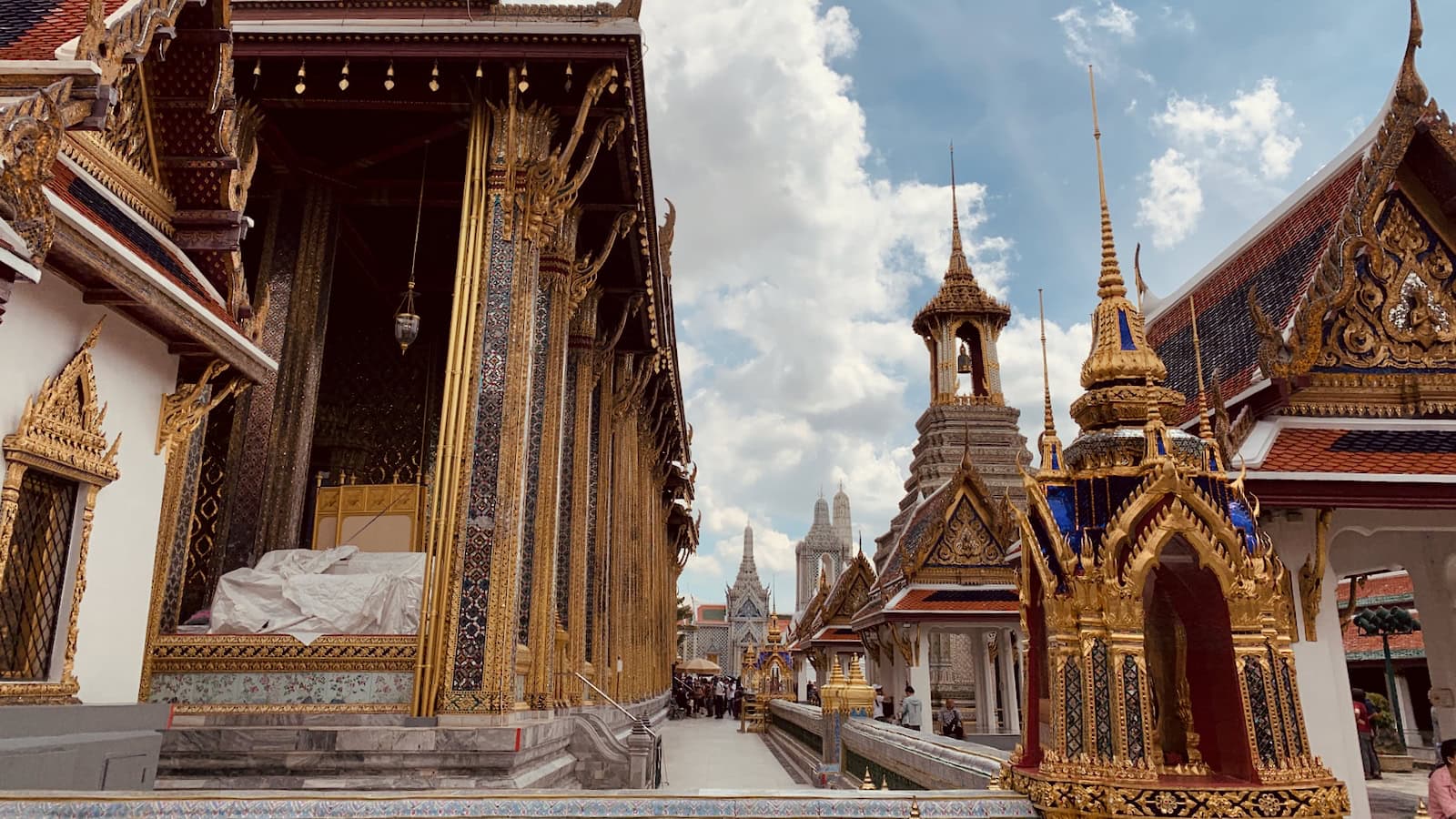
Best photography Places in Thailand

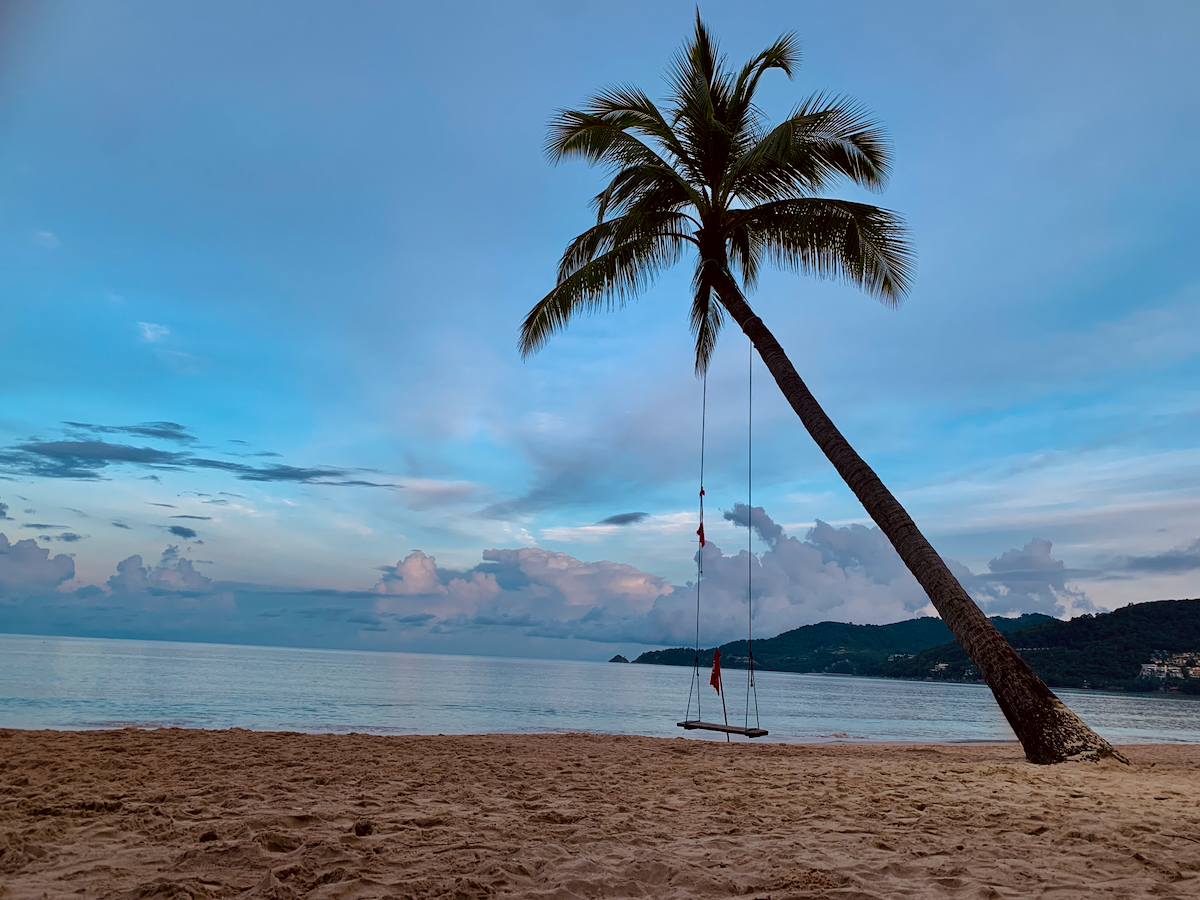
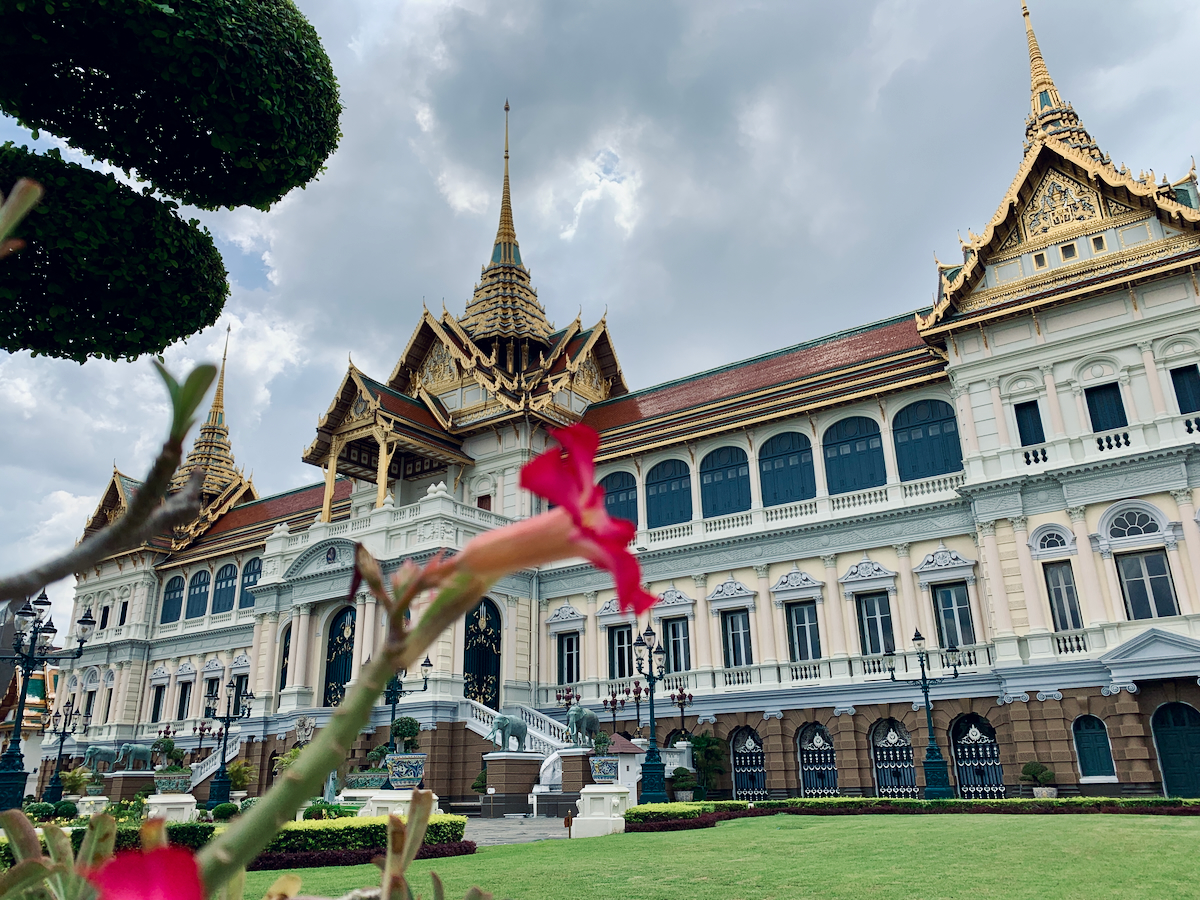
The best frames in Thailand β€” from iconic skylines to the spots most travelers walk straight past.

View Photo Stories β†’


Most Instagrammable Places in Phuket: 2026 Photography Guide

Read Story β†’

Country Information

Weather In Thailand

Thailand has a tropical climate that stays warm year-round, with a distinct cool dry season from November to February that is by far the most comfortable time to travel.

Jan - Feb Cool and dry. Best conditions for temples, cities, and northern Thailand
22-30Β°C
Mar - Apr ot season. Beaches are good; cities are punishing midday
28-35Β°C
May - Jun Rainy season starts. Fewer tourists, greener landscapes, cheaper rooms
26-33Β°C
Jul - Aug Rain is manageable in most regions. Gulf Coast beaches are wetter
25-32Β°C
Sep - Oct Peak rainfall. Quieter, cheaper, but some islands and routes close
24-31Β°C
Nov - Dec Dry season returns. November is one of the best travel months
22-30Β°C

Thailand Currency

The currency is the Thai Baht (THB). At the time of writing, 1 USD exchanges to roughly 35–36 THB, though rates vary. Cards are accepted in hotels, malls, and most sit-down restaurants, but street food stalls, markets, and local transport are cash only. ATMs are everywhere; most charge a 200–220 THB foreign transaction fee, so withdraw in larger amounts rather than small top-ups.

Thailand Transport

The Bangkok to Chiang Mai overnight train is one of the better long-distance options in Southeast Asia: comfortable, affordable, and you wake up already there. Within cities, Grab is the most reliable option for fair prices without negotiating. One honest note: tuk-tuks are for short hops or novelty. For airport transfers and longer city rides, Grab consistently costs less.

Safety in Thailand

Thailand is generally safe for independent travelers, including solo travelers, and the tourist infrastructure is well-developed. The most common issues are petty theft in crowded areas and scams targeting new arrivals in Bangkok, particularly around transport and “closed temple” redirects.

Thailand Cuisine

Thai food is built around contrast: the same dish can be sour, salty, sweet, and spicy in the same mouthful, and that balance is what makes it work. Pad kra pao (stir-fried basil with pork or chicken, topped with a fried egg) is the dish I’d recommend eating first if you want something that tastes specifically, unmistakably Thai.

Halal Food in Thailand

Halal food is readily available in Bangkok and across the southern provinces, where the Muslim population is significant. In Bangkok, areas like Bang Rak and On Nut have dedicated halal restaurants; look for the green halal certification sign in the window rather than assuming based on appearance.

Getting Around Thailand

  • Bangkok metro (MRT/BTS): Fast, air-conditioned, and covers most tourist areas. Single journey fares start at 17 THB.
  • Grab: Most reliable app for city travel. Works in Bangkok, Chiang Mai, Phuket, and Pattaya.
  • Overnight trains: Bangkok to Chiang Mai costs around 700–1,200 THB for a second-class sleeper. Book at least a week ahead.
  • Buses: Cover the whole country cheaply. VIP buses on popular routes are air-conditioned and comfortable.
  • Ferries: Standard for island-hopping in the Gulf of Thailand and Andaman Sea. Schedules vary by season.

I took the overnight train from Bangkok to Chiang Mai and arrived at 7am, stiff but not unhappy. The sleeper berths are narrow and the curtains are thin, but the rocking of the train is easier to sleep through than a bus on mountain roads.

Thailand on a Budget

  • Budget daily range: 1,000–1,800 THB per day covers a guesthouse, street food, and local transport
  • Mid-range daily range: 2,500–4,500 THB covers a decent hotel, restaurant meals, and activities
  • Street food meal: 50–120 THB
  • Guesthouse bed: 350–700 THB per night in most cities
  • Domestic flight: Bangkok to Chiang Mai or Phuket, from around 800–1,500 THB booked in advance

Bangkok is actually one of the cheaper capitals in Southeast Asia to eat in. A full meal at a street cart near Silom ran me 60 THB. A coffee at the place next to it was 40. I spent less on food in Bangkok than in almost any other city I can think of.

What is the best time to visit Thailand?

November to February is the best time to visit Thailand, with cool, dry weather and clear skies across most of the country. March to May gets significantly hotter, and the rainy season runs from June to October, though short-term showers rarely ruin a trip.

Is Thailand safe for travelers?

Thailand is safe for most independent travelers, including solo visitors. Petty theft in crowded areas and common tourist scams in Bangkok are the main things to watch for, not violent crime.

How much does it cost to travel Thailand per day?

Budget travelers can get by on 1,000–1,800 THB (around $28–$50 USD) per day covering guesthouses, street food, and local transport. Mid-range travelers spending on hotel rooms and restaurant meals will typically spend 2,500–4,500 THB.

Do I need a visa to visit Thailand?

Citizens of most Western countries, and many Asian countries, receive a visa exemption on arrival for 30 days, extendable once at an immigration office. Thailand introduced a 60-day visa exemption for certain nationalities in 2024. Check current rules for your specific passport before travel.

What currency does Thailand use and can I use cards?

Thailand uses the Thai Baht (THB). Cards are widely accepted in hotels and sit-down restaurants, but most street food, markets, and local transport are cash only. ATMs are easy to find but charge a fixed fee per withdrawal, so take out larger amounts at once.

What should I know about Thai food and eating safely?

Street food in Thailand is generally safe and very good. Eat where the locals eat and where the cart is busy, which signals fresh ingredients and fast turnover. Stick to bottled or filtered water and carry basic stomach medication just in case.

What customs and etiquette should I know before visiting Thailand?

Remove shoes before entering temples and private homes, and dress modestly at religious sites (shoulders and knees covered). Never touch someone's head or point your feet at people or sacred objects. A polite smile is understood everywhere and works better than frustration when something goes wrong.

The World

IS A CANVAS TO THE IMAGINATION