TravelBits — Destinations explored through stories, not checklists.

Travel Guide

Thailand

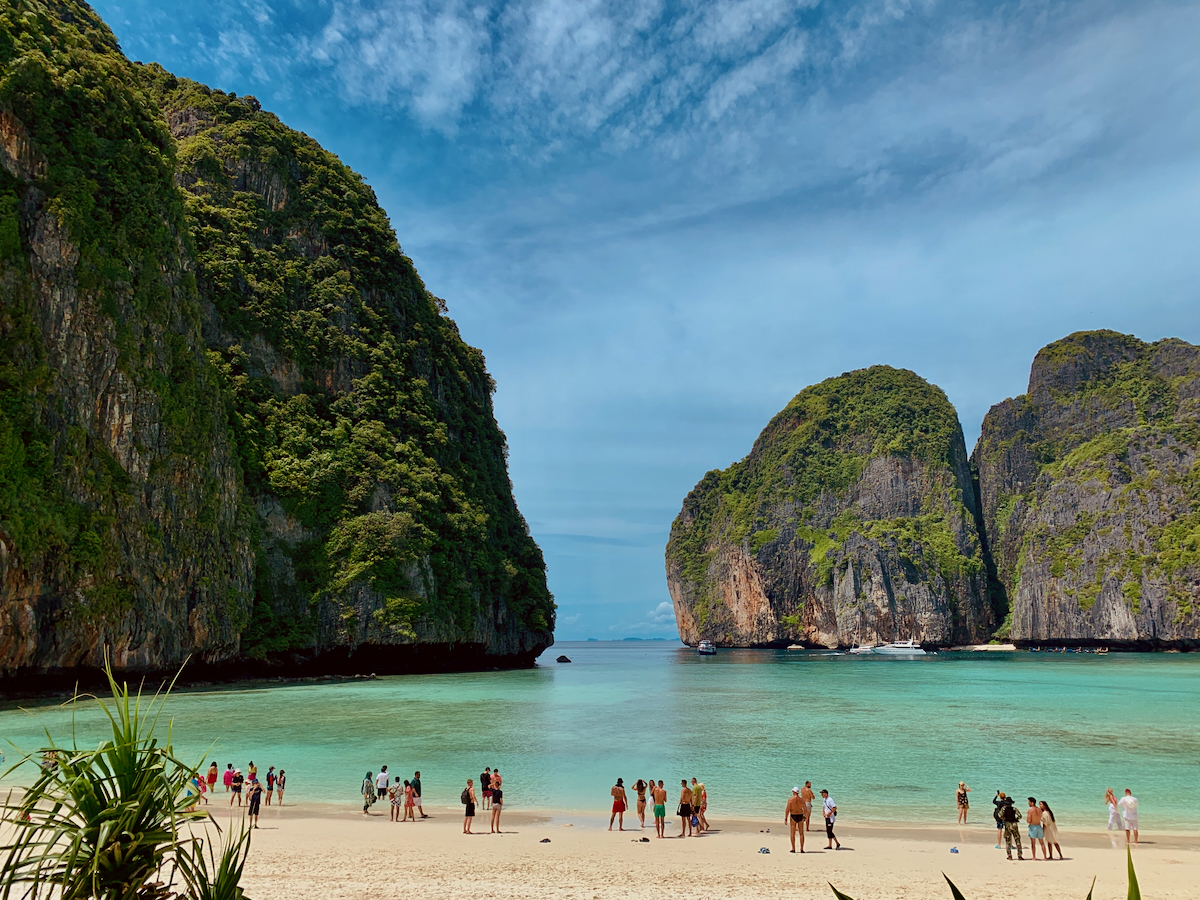
Travel to Thailand feels like entering a storybook—where ancient temples glow at dusk, street food sizzles with soul, and smiles greet you at every turn. Exploring Thailand means drifting between neon-lit cities and quiet mountain villages, discovering flavors, textures, and traditions that stay with you. Visiting Thailand isn’t just sightseeing—it’s a sensory dive. Among the best things to do in Thailand? Slow down, get lost, and let the country move you.

Best Places to Visit

Explore Thailand's Explore Vietnam’s diverse landscapes — from ancient towns and vibrant cities to serene natural wonders.

Best photography Places in Thailand

Discover the most Instagrammable spots alongside lesser-known photography gems across the country.

View Photo Stories →


Discover Bangkok’s Most Instagrammable Places: A Visual Guide for Photo-Loving Travelers

Read Story →

Country Information

Weather In Thailand

Thailand has a tropical climate with warm temperatures throughout the year. The country experiences a dry season, hot season, and rainy season. Weather conditions vary slightly by region, but Thailand remains a popular destination year-round.

Jan - Feb Cool and dry, best time for sightseeing
22-30°C
Mar - Apr Hot season, ideal for beach destinations
28-35°C
May - Jun Start of rainy season, greener landscapes
26-33°C
Jul - Aug Rainy but manageable, fewer crowds
25-32°C
Sep - Oct Peak rainfall, quieter travel period
24-31°C
Nov - Dec Dry season begins, comfortable weather
22-30°C

Thailand Currency

The official currency is the Thai Baht (THB). Cash is commonly used, especially for street food and local markets. ATMs are widely available, and credit cards are accepted in hotels, malls, and major restaurants.

Thailand Transport

Thailand offers a variety of transport options, including tuk-tuks, taxis, buses, and trains. Domestic flights are affordable for long distances. Ride-hailing apps are available in major cities, making travel convenient for visitors.

Safety in Thailand

Thailand is generally safe for travelers, with a well-developed tourism infrastructure. Petty theft can occur in crowded areas, so basic awareness is advised. Tourists usually feel comfortable traveling across cities and popular destinations.

Thailand Cuisine

Thai cuisine is bold and flavorful, known for its balance of sweet, sour, salty, and spicy tastes. Rice and noodles form the base of most meals. Street food is widely available and an essential part of the experience.

Halal Food in Thailand

Halal food is available in major cities and tourist areas, especially in Bangkok and southern regions. Many halal restaurants serve Thai and international dishes. Muslim travelers can find suitable options with basic planning.
Is Thailand safe for travelers right now?

Yes, traveling to Thailand is generally very safe, even for solo adventurers and budget travelers. Petty theft can happen in touristy areas (watch your bag on night buses!), but violent crime is rare. Local people are kind and helpful, and there’s a strong backpacker network. Just stay alert in big cities and be respectful in rural areas—Thailand responds well to kindness and courtesy.

What’s the best time to go to Thailand without breaking the bank?

For good weather and lower costs, aim for the shoulder seasons: April–June or September–early November. You’ll skip the tourist crowds and snag deals on places to stay in Thailand. Yes, it might rain a little—but tropical showers often pass quickly. Plus, the landscapes get lush and green, which makes travel photos pop.

How do I get around Thailand easily (and cheaply)?

Getting around Thailand is a breeze. Trains are scenic (especially the Bangkok–Chiang Mai route), buses go almost everywhere, and local tuk-tuks are fun—but always agree on the price first. For island-hopping, ferries are the norm. Budget travelers can also use apps like Grab instead of haggling with taxis.

What’s the cost of visiting Thailand per day?

If you’re traveling Thailand on a budget, you can live well for $30–$50 a day. That covers guesthouses, street food (which is amazing), and basic transport. Mid-range travelers might spend around $80–$120. Keep some extra baht for spontaneous massages or that gorgeous sarong you didn’t know you needed.

What local customs in Thailand should I know about?

Respect is huge in Thai culture. Always remove shoes before entering someone’s home or a temple, and never point your feet at people or sacred objects. The head is considered sacred—so don’t touch it, even playfully. A polite smile or a gentle “wai” (palms together, slight bow) goes a long way.

What’s the weather like in Thailand throughout the year?

Thailand’s tropical, so it’s warm year-round. November to February is the sweet spot—cooler, drier, and ideal for exploring. March to May gets hot (we’re talking really hot), and June to October brings the monsoon. Don’t let the rain scare you—it’s often short and refreshing, not a trip-ruiner.

What should I know about food safety and health while traveling in Thailand?

Street food in Thailand is generally safe and delicious—just eat where it’s busy (a sign of freshness and quality). Stick to bottled water, and bring meds for the occasional tummy hiccup. Pharmacies are everywhere and well-stocked. And don’t skip travel insurance—it’s a must, not a maybe.

Are there common scams to watch out for while visiting Thailand?

Yes—but nothing dramatic if you stay aware. Classic ones include tuk-tuk drivers offering “special” tours that end in overpriced shops, or strangers claiming temples are closed (they’re not). Always book tours and transport through trusted providers or your accommodation. A little caution and street smarts go a long way when traveling to Thailand.

Discover Bangkok’s Most Instagrammable Places: A Visual Guide for Photo-Loving Travelers

Read Guide

The World

IS A CANVAS TO THE IMAGINATION