
What Makes This Tree So Special?
The Sahabi Tree is an Atlantic Pistachio (Pistacia atlantica), a species built for survival. Deep roots, gnarled bark, and an uncanny ability to thrive where nothing else does.
But age alone doesn’t make it legendary.
According to Islamic tradition, a 12-year-old Muhammad (PBUH) rested under this very tree during a trade journey with his uncle, Abu Talib. They were heading to Syria, crossing harsh desert terrain, when they stopped for shade.
A Christian monk named Bahira, living nearby, noticed something extraordinary. He saw the tree’s shade fall only on the young Muhammad, refusing to follow the sun’s normal path. Bahira recognized the signs he’d read about in ancient texts—signs of prophethood. He warned Abu Talib to protect the boy. This moment, quiet and hidden in the desert, became a turning point in history.
Getting There from Amman
The tree sits near Safawi, in Mafraq Governorate-about 156 kilometers (97 miles) northeast of Amman. It’s remote, which means you’ll need to plan ahead.
- Rent a Car: This is what I’d recommend. The drive takes 2-3 hours, and you can stop whenever the landscape pulls you in. Make sure your car can handle desert roads.
- Local Bus to Safawi: Cheaper, but you’ll need a taxi from Safawi to the tree itself. Budget-friendly, but less flexible.
- Hire a Taxi or Driver: Negotiate the price upfront. Expect to pay more, but you won’t have to worry about directions.
- Join a Guided Tour: Some Amman operators run day trips. They handle logistics, which is great if you don’t want to DIY it.
What to Expect When You Arrive
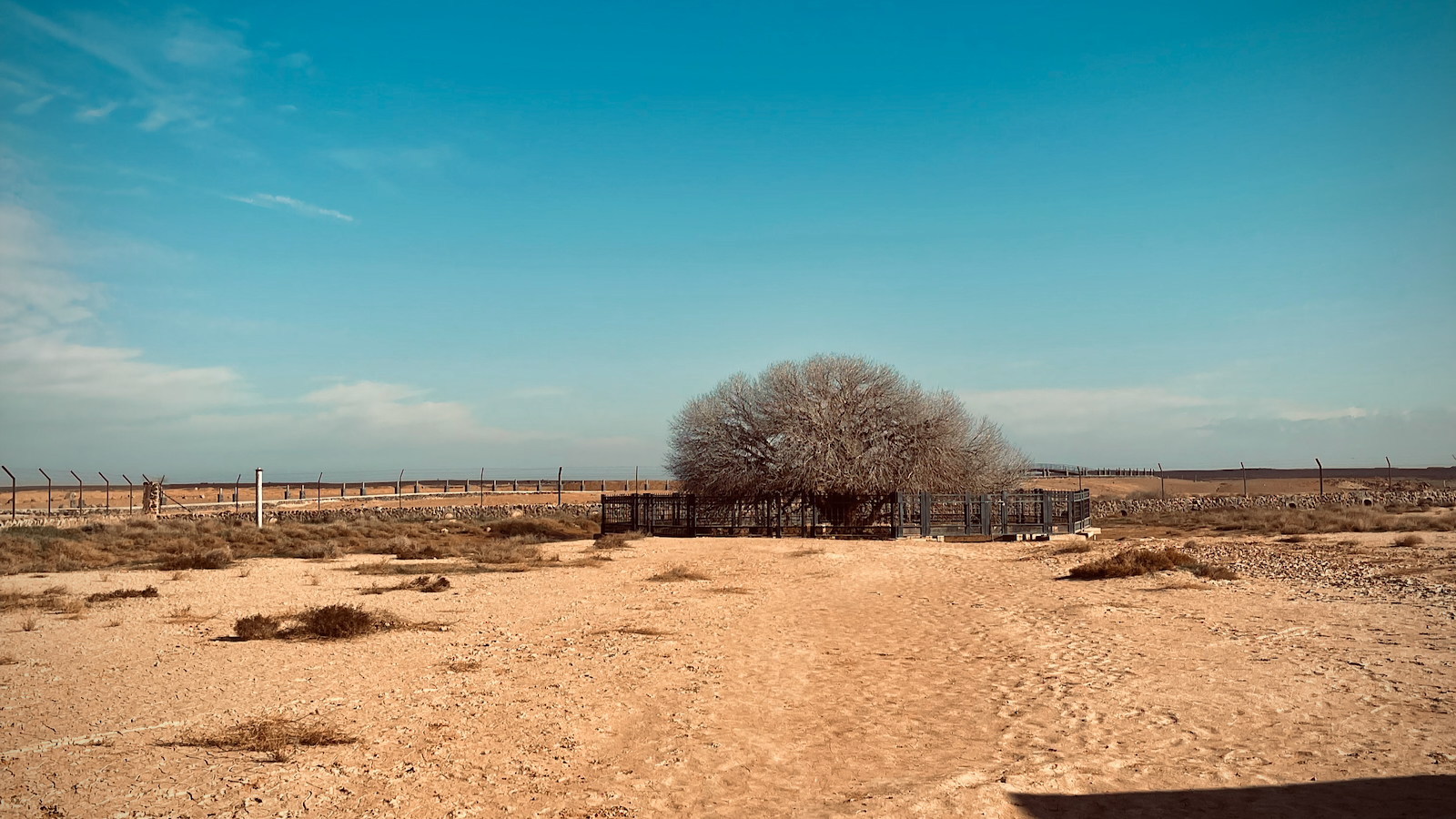
The tree stands alone in a landscape that feels endless. No crowds. No gift shops. Just sand, rock, and silence.
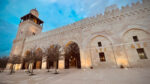
There’s a small mosque nearby, built to honor the site’s significance. The contrast is striking—ancient tree, simple structure, vast sky. I spent an hour there, and barely saw another soul. It’s the kind of place that invites you to slow down, sit, and just be.
Beyond the Tree: The Safawi Region
If you’ve come this far, consider exploring a bit more.
- The Black Desert: Volcanic rock stretches for miles, dark and surreal. It’s a different kind of desert beauty-sharp, almost lunar.
- Bedouin Villages: Some locals still live traditionally. If you’re respectful and curious, conversations here offer a glimpse into a way of life most tourists never see.
- Ancient Ruins: The region has scattered archaeological sites, though they’re not well-marked. Do your research if you want to find them.
How to Photograph the Sahabi Tree
The light here is magic, especially at sunrise or sunset. The tree’s silhouette against the sky, the way shadows stretch across the sand-it’s almost too perfect. I used a wide-angle lens to capture the scale, but honestly, even phone shots turned out well. The landscape does most of the work.
[PHOTO TIP]: Shoot during golden hour for warm light and long shadows. Include a person in the frame to show just how massive this tree really is.
What You'll Need
- Water: More than you think. The desert doesn’t mess around.
- Sunscreen and a hat: The sun here is relentless.
- Modest clothing: Out of respect for the mosque and local customs-cover shoulders and knees.
- Sturdy shoes: The ground is uneven and rocky.
- Snacks: There’s nowhere to buy food nearby.
Note: Check the weather before you go. Desert conditions can shift fast.
Why I Think You Should Go
I’ve seen a lot of “historic sites” that felt more like tourist traps than actual history. This wasn’t one of them.
The Sahabi Tree doesn’t try to impress you with signs or stories piped through speakers. It just stands there, doing what it’s done for fifteen centuries—surviving, witnessing, enduring.
When I sat under its branches, I thought about everyone else who’d done the same. Traders, travelers, pilgrims. A 12-year-old boy who would become a prophet. It’s rare to feel that kind of connection to the past. If you’re in Jordan and you want something real—something that isn’t curated or packaged—make the drive.