
Barbados
13 Best Things to Do in Barbados (Expert Guide)
The first thing I noticed driving out of the airport was that Barbados doesn’t look like a postcard. It looks…
Barbados sits at the easternmost edge of the Caribbean, which means it gets the full force of the Atlantic on one side and the calm of the Caribbean Sea on the other. It suits independent travelers who want a real island — good beaches, colonial history worth seeing, food that doesn’t perform for tourists — without needing a package deal to make it work. The best time to visit is December to April, when the weather is dry, temperatures hold around 27–29°C, and the trade winds keep the heat from being oppressive. One honest caveat: Barbados is not cheap, but renting a car and eating where locals eat brings the daily cost down significantly.
The first thing I noticed driving out of the airport was that Barbados doesn’t look like a postcard. It looks…
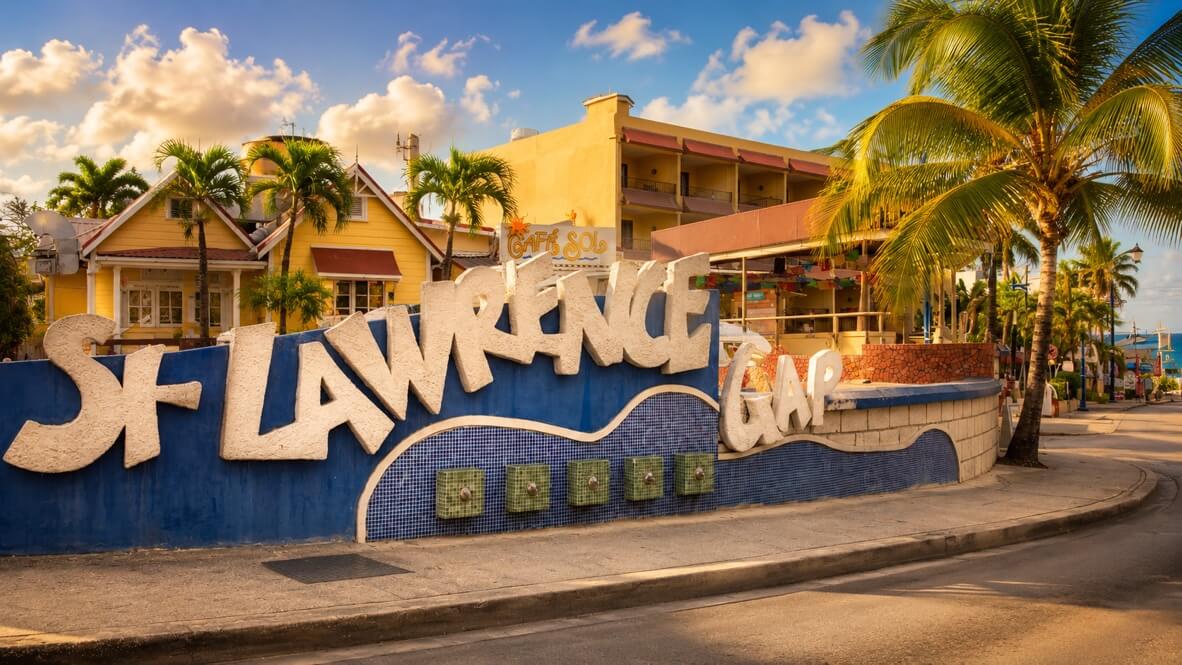
I stayed at the South Gap Hotel in St. Lawrence Gap on the south coast, and it turned out to…
Every corner of Barbados pulls in a different direction. These are the places worth building your trip around.

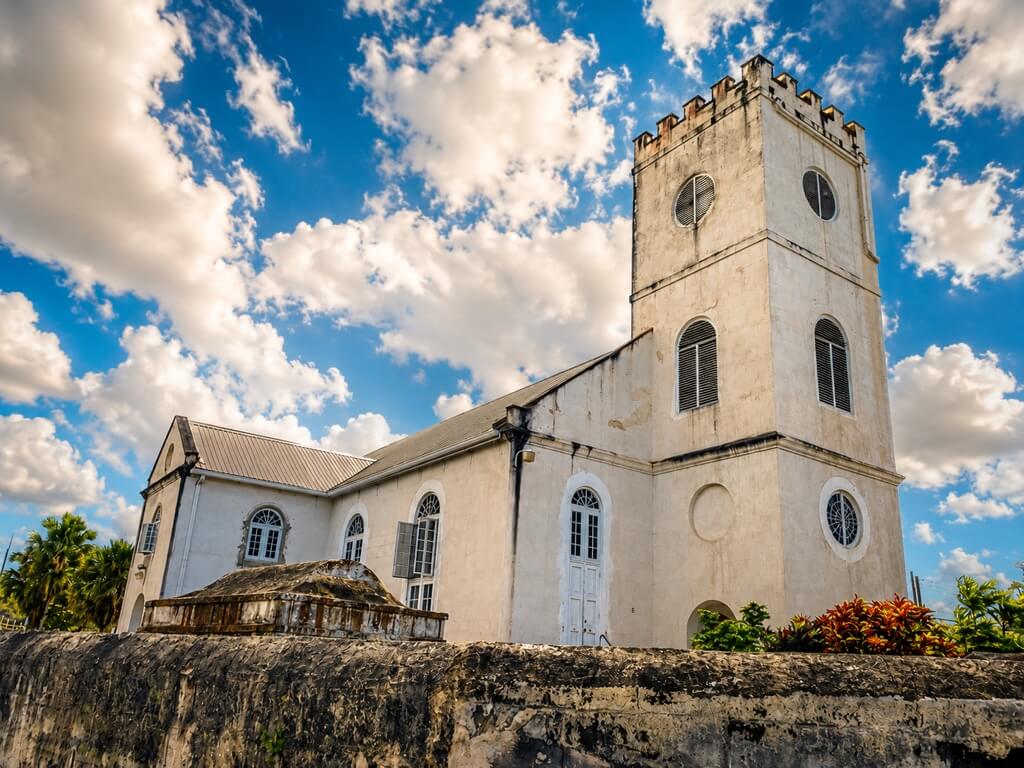
Most Instagram photos of Barbados look identical — turquoise water, palm trees, a rum punch. The instagrammable places in Barbados…
I stayed at the South Gap Hotel in St. Lawrence Gap on the south coast, and it turned out to…
The best frames in Barbados — from iconic skylines to the spots most travellers walk straight past.
View Photo StoriesA practical route through Barbados — paced for real travellers, not highlight reels.
Most Instagram photos of Barbados look identical — turquoise water, palm trees, a rum punch. The instagrammable places in Barbados…
I stayed at the South Gap Hotel in St. Lawrence Gap on the south coast, and it turned out to…
The first thing I noticed driving out of the airport was that Barbados doesn’t look like a postcard. It looks…
Barbados has a tropical climate with year-round warmth, a dry season from December to April, and a wetter season from June to November that brings short downpours rather than full lost days.
The official currency is the Barbadian Dollar (BBD), pegged at a fixed rate of 2 BBD to 1 USD — a rate that has been stable for decades. US dollars are accepted almost everywhere on the island, though change is given in BBD; if you pay in USD, you will always receive slightly less value than using local currency. Cards (Visa and Mastercard) are reliable in hotels, car rental companies, and most restaurants, but public buses, beach vendors, rum shops, and local food stalls are cash only — carry BBD for anything off the main tourist strip.
Renting a car at the airport is the most practical way to see Barbados properly; the island is small enough to cross in under an hour, but the best beaches, caves, and parishes are too spread out to reach efficiently on foot or by bus. Within Bridgetown and along the south coast, blue government buses run frequently and cost 3.50 BBD per ride, and ZR minivans (yellow, with licence plates starting with Z) cover similar routes faster but drive aggressively. Taxis are widely available but do not use meters — agree on a fare before you get in, or use the PickUP Barbados app for transparent pricing.
I rented a car at the airport and kept it for the full trip. It was the right call. The cave on the north coast, the east coast viewpoints, and the interior parishes are not reachable in any sensible way without your own wheels.
The island is roughly 34km long and 23km wide. Each parish feels distinct; the rugged east coast especially has nothing in common with the calm west coast beyond geography.
Safety: Barbados holds a Level 1 Travel Advisory from the US State Department. Petty theft is the real risk—bags left on beaches or valuables in unlocked cars. Avoid poorly lit parts of Bridgetown, specifically Nelson and Wellington Streets, after dark.
Cuisine: Bajan food centers on the sea. Flying fish and cou-cou is the national dish. For the most authentic experience, head to Oistins Fish Fry on Friday or Saturday nights for grilled fish, macaroni pie, and plantain at local prices.
Barbados has a small but established Muslim community centered around Bridgetown, with five mosques and several halal options including Indian takeaways and local caterers. Seafood remains the most widely available safe option island-wide. For other meats, look for specifically halal-certified establishments in Bridgetown rather than assuming mainstream restaurants are compliant.
For daily travel inspiration and stunning photos, follow @travelbits.info
@travelbits.info