Kuala Lumpur
15 Best Things to Do in Kuala Lumpur: The Ultimate 2026 Guide
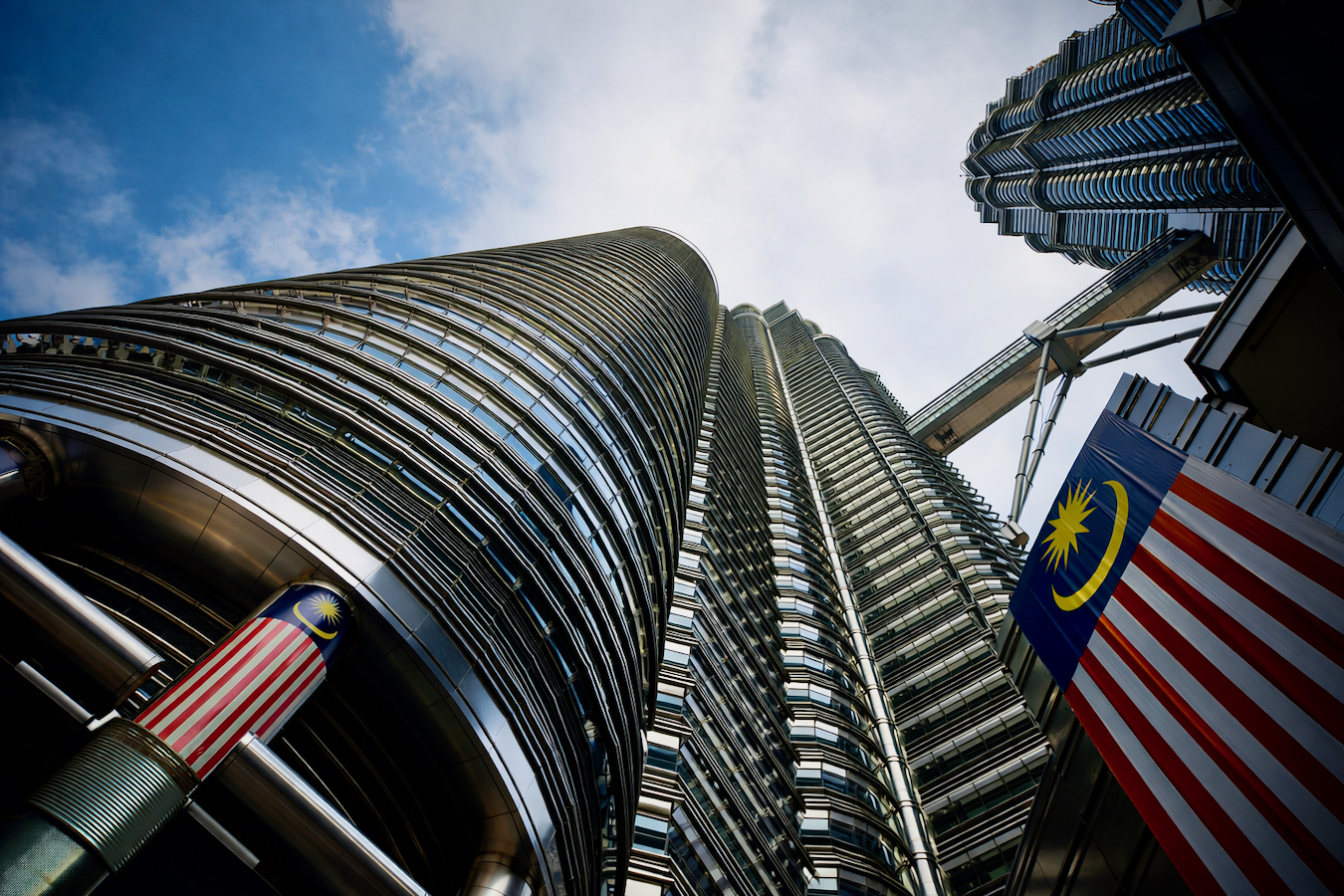
The first thing I noticed stepping out of my hotel in KL was the smell — rain on hot pavement,…
Malaysia is one of the easier countries in Southeast Asia to travel independently — the infrastructure works, the food is genuinely good at every price point, and English gets you further here than almost anywhere else in the region. The best time to visit is March to October, when the west coast and interior are dry and most island destinations are fully open. It suits travelers who want a mix: city days in Kuala Lumpur, a few nights on a beach, maybe a rainforest overnight. The cost of travel here is low by any measure, though Kuala Lumpur has enough upscale options to spend more if you want to.
The first thing I noticed stepping out of my hotel in KL was the smell — rain on hot pavement,…

The flat white I had at VCR cost me RM18 and came out in under four minutes. No theatre, no…
Every corner of Malaysia pulls in a different direction. These are the places worth building your trip around.


Langkawi sunsets are not subtle. The sky goes orange fast, then deep red, then a kind of bruised purple that…

Most of the best street art in both cities is not signposted. You find it by walking past the obvious…
The best frames in Malaysia — from iconic skylines to the spots most travellers walk straight past.
View Photo StoriesA practical route through Malaysia — paced for real travellers, not highlight reels.
Langkawi sunsets are not subtle. The sky goes orange fast, then deep red, then a kind of bruised purple that…
Most of the best street art in both cities is not signposted. You find it by walking past the obvious…

The ferry from Kuala Perlis takes about 1 hour and 15 minutes. By the time you clear the jetty and…
Malaysia has a tropical climate with year-round warmth and humidity; the main thing to plan around is which coast the monsoon is hitting during your travel window.
The official currency is the Malaysian Ringgit (MYR); as a rough guide, 1 USD sits around 4.7 MYR, though rates shift. Cards are accepted in malls, hotels, and most city restaurants without issue. Keep cash on hand for street food stalls, night markets, and anywhere outside a major city.
Between cities, the KTM intercity train and long-distance buses are both reliable and cheap — Kuala Lumpur to Penang by bus costs around MYR 35–45. Within cities, Grab is the standard option and consistently cheaper than flagging a taxi. For Borneo and the east coast islands, budget domestic flights on AirAsia are the practical choice; overland options exist but take significantly longer than most travelers expect.
Malaysia is generally safe for travelers, with violent crime against tourists being rare. The main thing to watch for is petty theft in crowded areas — KLCC, Petaling Street, and Batu Caves draw enough foot traffic that opportunists know to work them.
Malaysian food pulls from Malay, Chinese, and Indian traditions in a way that produces genuinely distinct dishes rather than a diluted mix of all three. Nasi lemak, char kway teow, and roti canai are not just tourist staples — they’re what people actually eat here, and the best versions of all three cost under MYR 10.
Halal food is the default across most of Malaysia, not an exception — the country is majority Muslim and the majority of street stalls and local restaurants operate halal as standard. In non-Muslim-owned Chinese restaurants, check for a halal certificate displayed at the entrance; in doubt, ask.

For daily travel inspiration and stunning photos, follow @travelbits.info
@travelbits.info