Phnom Penh
Things to Do in Phnom Penh: The Perfect 48-Hour Itinerary
The golden gates of the Royal Palace stopped me before I’d taken ten steps inside. I had 48 hours in…
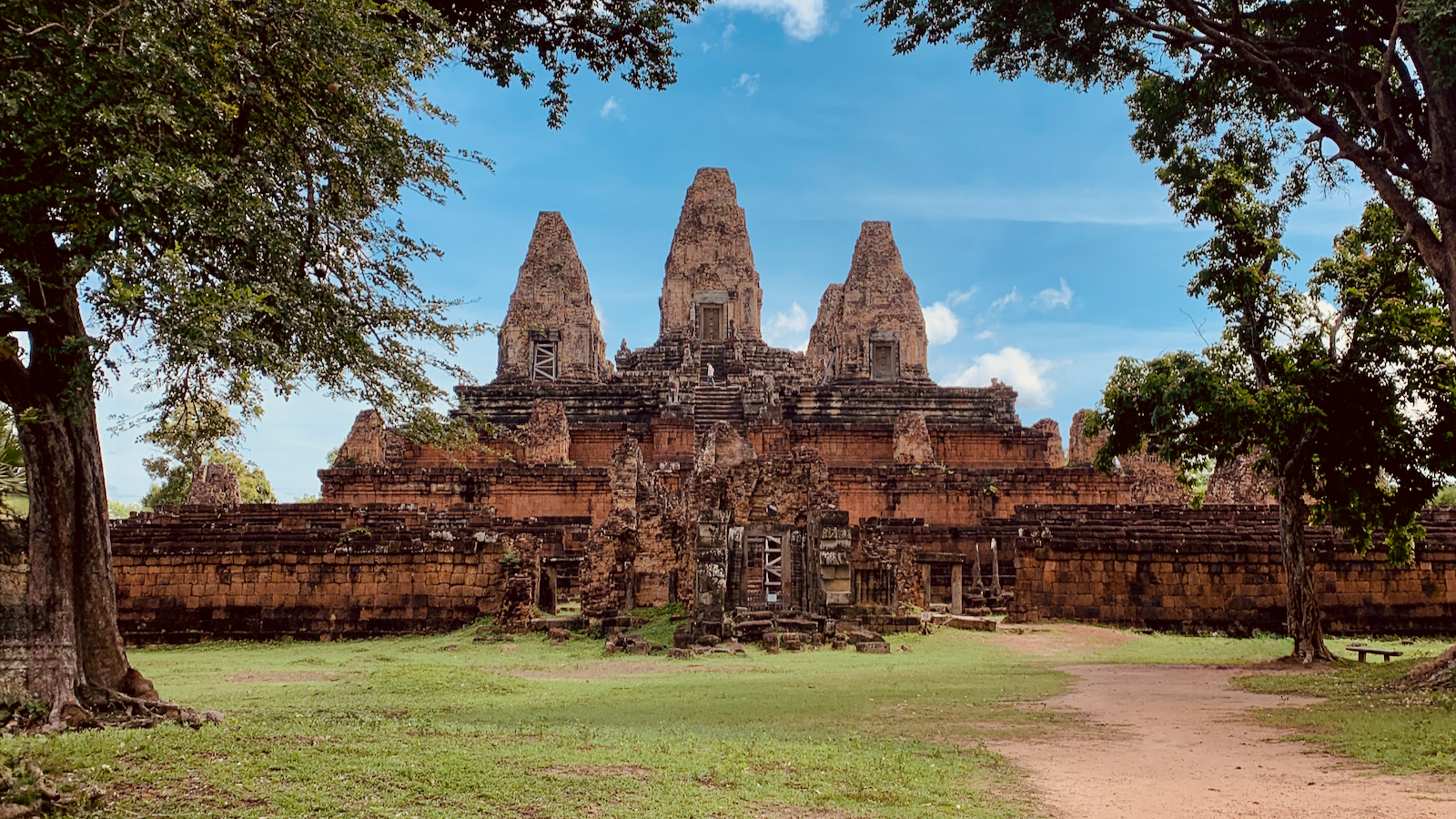
The first thing I noticed arriving in Siem Reap was the smell — charcoal, jasmine garlands, and diesel, all at once. Cambodia suits the traveler who wants history that actually weighs something, food that costs almost nothing, and coastline that isn’t yet overrun. November to February is the sweet spot: dry, cooler, and manageable heat at the temples. Budget travelers and first-timers do well here. It’s not always comfortable, but it’s rarely boring.
The golden gates of the Royal Palace stopped me before I’d taken ten steps inside. I had 48 hours in…

The first time I stayed near Pub Street, I heard karaoke until 2am. The second time, I picked a guesthouse…
Every corner of Cambodia pulls in a different direction. These are the places worth building your trip around.


I got to Angkor Wat before 5:30am. Not because I planned it well, but because I couldn’t sleep and figured…
The first shot that stopped me in Siem Reap had nothing to do with temples. It was a boat on…
The best frames in Cambodia — from iconic skylines to the spots most travellers walk straight past.
View Photo StoriesA practical route through Cambodia — paced for real travellers, not highlight reels.
I got to Angkor Wat before 5:30am. Not because I planned it well, but because I couldn’t sleep and figured…
The first shot that stopped me in Siem Reap had nothing to do with temples. It was a boat on…
The first time I stayed near Pub Street, I heard karaoke until 2am. The second time, I picked a guesthouse…
Cambodia is tropical year-round, with a dry season from November to April and a rainy season from May to October that brings afternoon downpours but also far greener landscapes and thinner crowds.
The official currency is the Cambodian Riel (KHR), but US dollars are used for almost everything — prices, menus, and hotel bills are quoted in USD. Cards are accepted at hotels and larger restaurants, but cash is king at markets, street food stalls, and smaller guesthouses. Withdraw USD from ATMs in cities; don’t bother converting to riel before you arrive.
Between cities, buses and minivans are the standard option and cover the main routes between Phnom Penh, Siem Reap, and Sihanoukville at low cost. Within cities, tuk-tuks are the default — open-air, cheap, and easy to flag down anywhere, though Grab also works well in Phnom Penh and Siem Reap for fixed-price rides. One honest note: distances between major destinations are longer than the map suggests, so factor in 5–6 hours for overland legs.
Cambodia is generally safe for independent travelers and I didn’t feel threatened once in two weeks. Watch your bag in crowded markets, be selective about which tuk-tuk drivers you hire for day trips, and in rural areas stay strictly to marked paths — landmines from the civil war era remain a real hazard off well-traveled routes.
Cambodian food is rice-based, light on heat, and heavy on fresh herbs and fermented fish paste called prahok, which gives many dishes their deep savory base. Two things worth knowing by name: fish amok, a coconut curry steamed in banana leaves with a texture closer to custard than stew, and lok lak, wok-fried beef served with a lime and pepper dipping sauce that you’ll want on everything.
Halal options are most reliable in Phnom Penh and Siem Reap, where small Muslim Cham communities have established halal Cambodian restaurants alongside Indian and Middle Eastern spots. Seafood and vegetarian dishes are broadly available and easy to default to when you can’t verify sourcing.
For daily travel inspiration and stunning photos, follow @travelbits.info
@travelbits.info