Kuala Lumpur Travel Guide: Essential Tips for Your 2026 Trip

KL hits you before you’re ready for it. You step out of KL Sentral and the air is warm and thick, the skyline is closer than you expected, and someone is already trying to flag down a Grab three feet from your face.
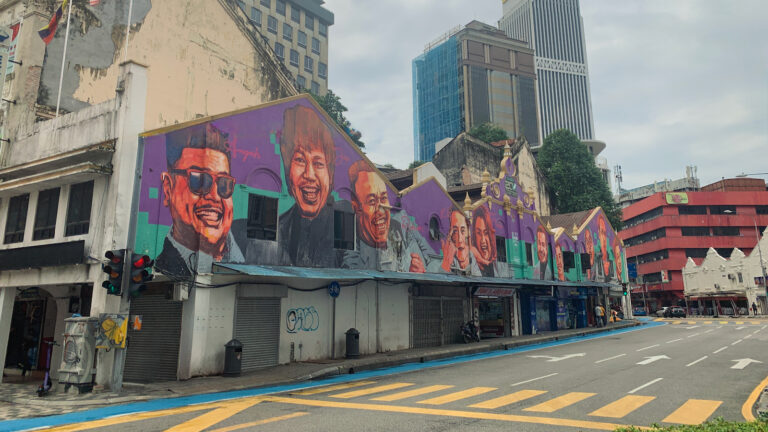
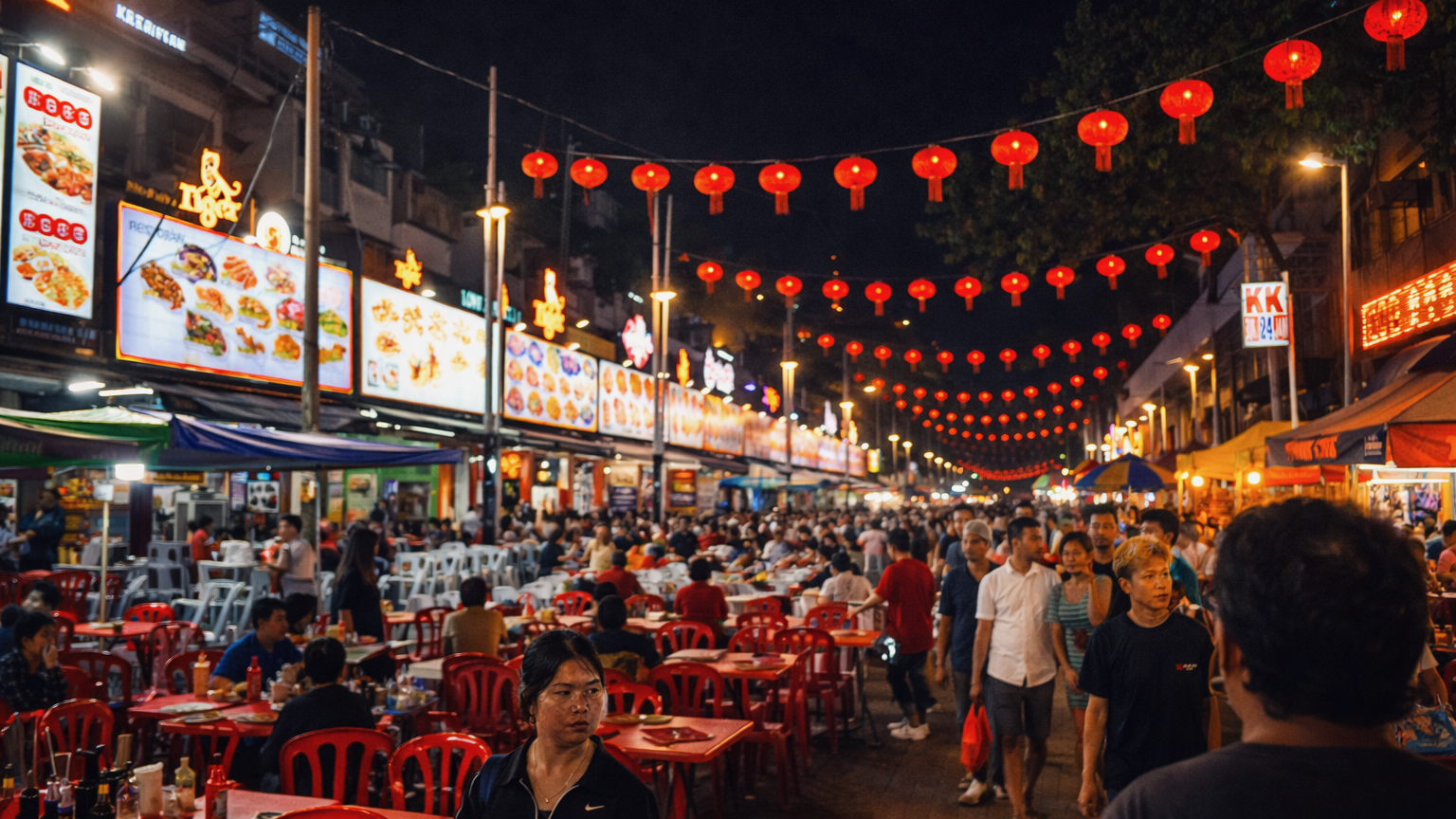
This city suits travelers who like a place with actual layers — street food at 11pm, a Hindu temple wedged between glass towers, neighborhoods where the architecture tells four different histories at once. It’s a mid-range traveler’s city: your money goes far, the infrastructure works, and the best meals rarely cost more than RM15.
One honest thing to know before you arrive: KL is not a walking city. Plan around the MRT and you’ll be fine. Try to walk everywhere and you’ll waste half your trip on hot concrete with no shade.
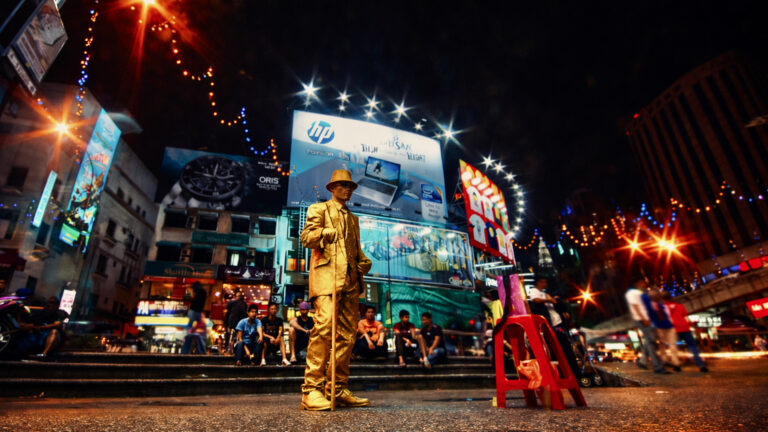
From the neon lights of Bukit Bintang to the limestone steps of the Batu Caves, here are the best things to do in Kuala Lumpur to help you plan your itinerary.
Everything Worth Knowing About Kuala Lumpur
Honest guides to where to stay, what to do, and what to skip.
More to See in Malaysia
Discover Other Destinations
Questions About Kuala Lumpur
What’s the best time to visit Kuala Lumpur?
May to July is the driest stretch, but Kuala Lumpur doesn't really have a bad season. Rain comes daily in the tropics — usually a hard 30-minute downpour in the afternoon that clears completely. Pack a compact umbrella and don't let the forecast change your plans. The city is fully functional in all weather, and the air after a heavy rain is about as fresh as KL ever gets.
Is Kuala Lumpur safe for travelers?
KL is generally safe for tourists, including solo travelers and women traveling alone. The main thing to watch for is bag snatching, particularly in busy areas like Bukit Bintang and Chow Kit at night. Keep your bag in front of you, avoid walking with your phone out in crowds, and use Grab instead of flagging down unmarked taxis after dark.
How much does a day in Kuala Lumpur actually cost?
Budget travelers can get by on RM150–200 per day covering a dorm bed, street food meals, and public transport. Mid-range travel — a decent hotel, sit-down meals, and a few Grab rides — runs around RM300–400 per day. The city rewards budget travelers more than almost anywhere else in Southeast Asia. A full nasi lemak breakfast costs RM6 at a hawker stall.
Do I need cash or is Kuala Lumpur card-friendly?
Cards work fine in malls, hotels, and chain restaurants, but cash is still the practical choice for street food, local markets, and small kopitiam cafes. Carry Malaysian ringgit for anything off the main tourist drag. ATMs are easy to find at any mall or MRT station, and currency exchange counters in Bukit Bintang and KL Sentral offer competitive rates without airport markups.
What's the fastest way from the airport to the city?
The KLIA Ekspres takes 28 minutes from KLIA to KL Sentral and costs RM55 one-way. It's the cleanest, most reliable option. Grab works from the airport too and costs roughly RM70–90 depending on traffic and time of day. Skip the unofficial taxi touts near arrivals — they charge two to three times more and there's no reason to use them.
Which neighborhoods should I base myself in?
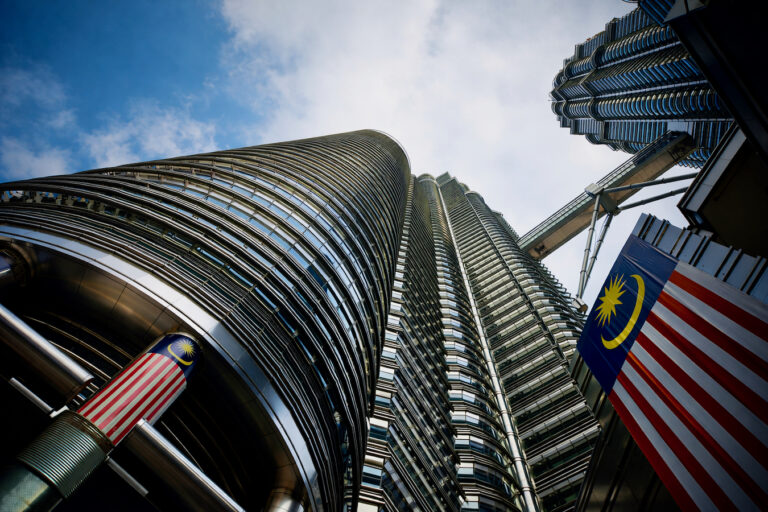
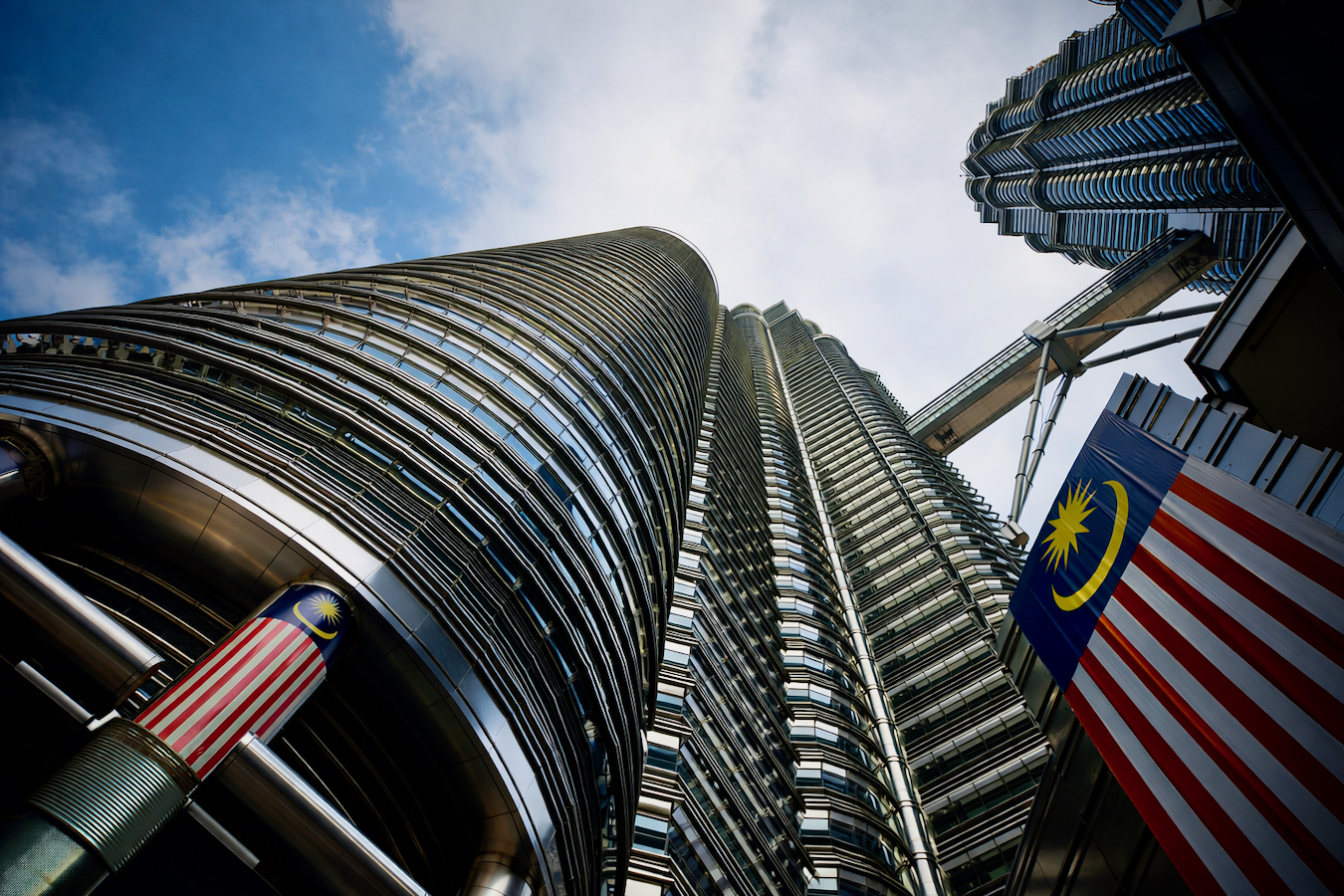
KLCC suits first-timers who want walkability and the city's most recognizable backdrop. Bukit Bintang is better for eating and nightlife. Chow Kit and Masjid India are where the city feels less curated and more real — good if you've been before and want something grittier. All three connect easily on the MRT or Monorail, so location matters less than it would in a city without decent transit.
What should I eat first in Kuala Lumpur?
Start with nasi lemak — coconut rice with sambal, fried anchovies, cucumber, and half a boiled egg. It costs RM5–8 at a hawker stall and sets the tone for everything else. Follow it with roti canai with dhal at a mamak restaurant, then teh tarik, Malaysia's pulled frothy tea. Jalan Alor in Bukit Bintang is the reliable choice for a full street food evening — go after 8pm when the stalls are running properly.
The World
IS A CANVAS TO THE IMAGINATION