Langkawi Travel Guide 2026: Best Beaches, Transit & Local Tips

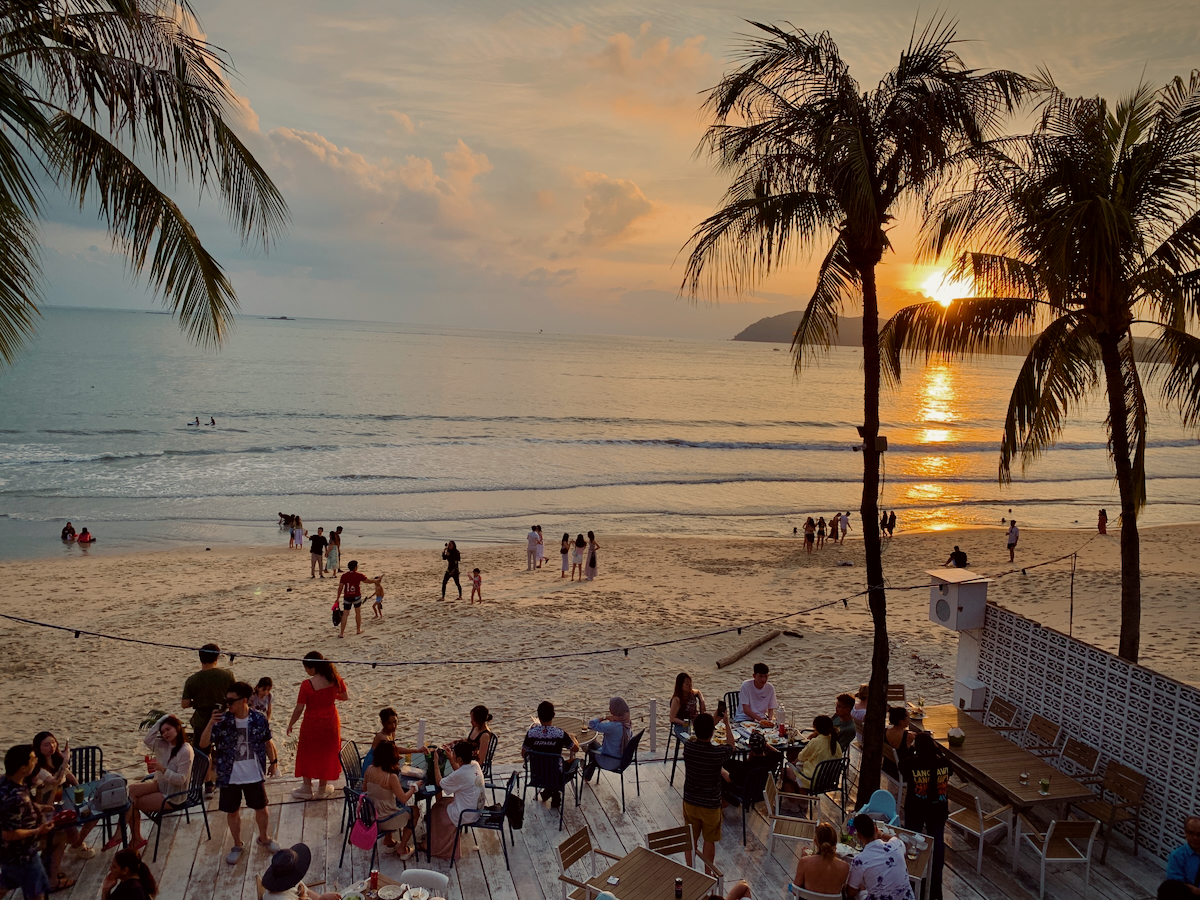
Langkawi is the kind of island that doesn’t need to try very hard. The ferry from Kuala Perlis takes about an hour, and by the time you see the first limestone karst rising out of flat green water, you understand why people keep coming back.
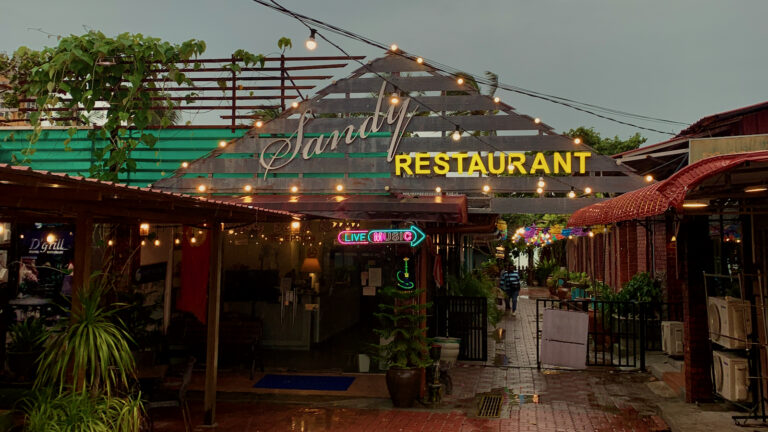
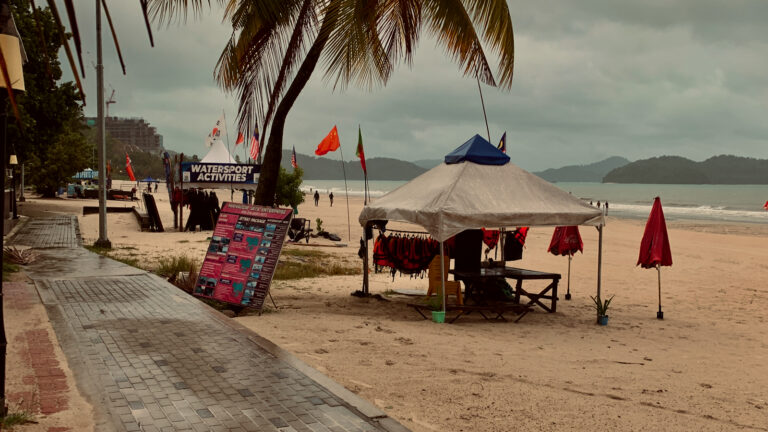
Most travelers base themselves in Pantai Cenang, the main strip — beach access, food stalls, rental shops, and enough guesthouses to suit any budget. It suits travelers who want beaches without Bangkok-level crowds, nature that hasn’t been completely packaged, and food that costs almost nothing eaten the right way.
The practical truth: you need wheels here. Grab works but availability is inconsistent outside Pantai Cenang, and the island is too spread out to manage without your own transport. Rent a scooter or a car on day one and the whole place opens up.
Everything Worth Knowing About Langkawi
Honest guides to where to stay, what to do, and what to skip.
More to See in Malaysia
Discover Other Destinations
Questions About Langkawi
What's the best time to visit Langkawi?
December to March is the dry season and the clearest window for beaches, island hopping, and calm water. The sky holds, the sea is flat, and boat trips actually run on schedule. September and October are the wettest months — some operators shut down, a few resorts go quiet, and the roads get slick. If you want Langkawi with fewer people and lower prices, April to May offers a reasonable middle ground before the monsoon properly arrives.
Is Langkawi safe for solo travelers and families?
Langkawi is one of the safer destinations in Southeast Asia, with low crime and a tourism infrastructure that's been running long enough to feel reliable. Solo travelers and families both do well here. The one practical risk is road safety — scooter accidents happen, especially on wet roads or unfamiliar bends after dark. Take the rental insurance, drive slowly the first day, and give yourself time to adjust to left-hand traffic if you're not used to it.
How much does Langkawi cost per day?
Street food meals run RM10–15 per person, and since Langkawi is duty-free, alcohol is dramatically cheaper than the rest of Malaysia. Mid-range travelers spending on a decent guesthouse, rented transport, one activity, and meals can budget around RM200–300 per day. Beachfront resorts start around RM200 per night and climb well past RM1,000. The island genuinely works at every budget level, which is rarer than it sounds.
Can I get around Langkawi without renting a car or scooter?
Grab exists here but coverage is thin once you move away from Pantai Cenang and Kuah. If you're staying in one beach area and not planning much movement, you can manage. If you want to reach the cable car, the mangroves, the waterfalls, or the quieter north coast beaches, you need your own transport. A scooter rents for around RM35–50 per day. A small car is RM80–120. Both are worth it.
What should I know about local customs in Langkawi?
Langkawi is relaxed by Malaysian standards, and beach areas have a long-established tourist culture. Swimwear is fine on the beach. In town, at markets, or near mosques, cover your shoulders and knees — it's straightforward and genuinely appreciated. During Ramadan, eat discreetly in public during daylight hours and expect some local stalls to be closed until evening. Resorts and tourist-facing restaurants operate normally.
What's the duty-free situation actually worth buying?
Alcohol is the main draw — wine and spirits cost a fraction of what you'd pay in KL or at any Malaysian airport. Chocolates, perfumes, and cigarettes are also discounted. The main duty-free shops are in Kuah Town and scattered along Pantai Cenang. There's a limit on how much you can bring back to the mainland, so if you're buying bottles, check the current allowance before you load up.
What's the best food experience in Langkawi?
The night market is the honest answer. It rotates between different locations depending on the day — Jalan Kelibang on Thursdays, Padang Matsirat on Wednesdays — and it's where locals actually eat. Grilled fish, nasi goreng, freshly cut fruit, and sweet drinks for under RM20 a head. Pantai Cenang has plenty of tourist-facing restaurants that are fine but skippable. Follow the smoke and the plastic stools and you'll eat better for less.
The World
IS A CANVAS TO THE IMAGINATION