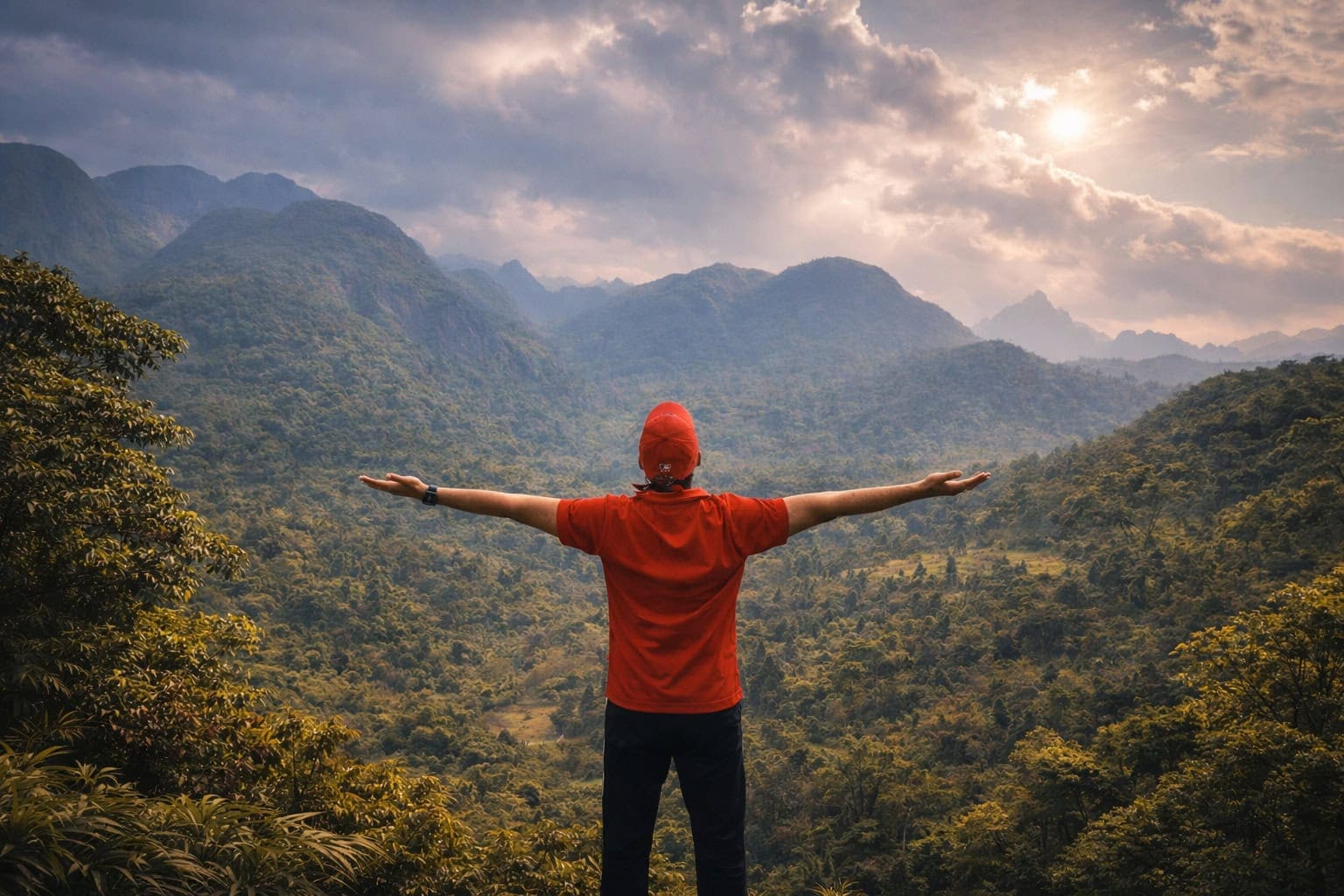
The fog rolls into Sapa before breakfast. By 7am it had swallowed the valley below my guesthouse completely, leaving only the tops of the rice terraces visible, floating like green islands above the cloud. That’s the thing about Sapa — the light changes everything, sometimes within the hour. Plan your days around weather windows, not fixed schedules.
Fansipan Peak: Check the Sky Before You Go
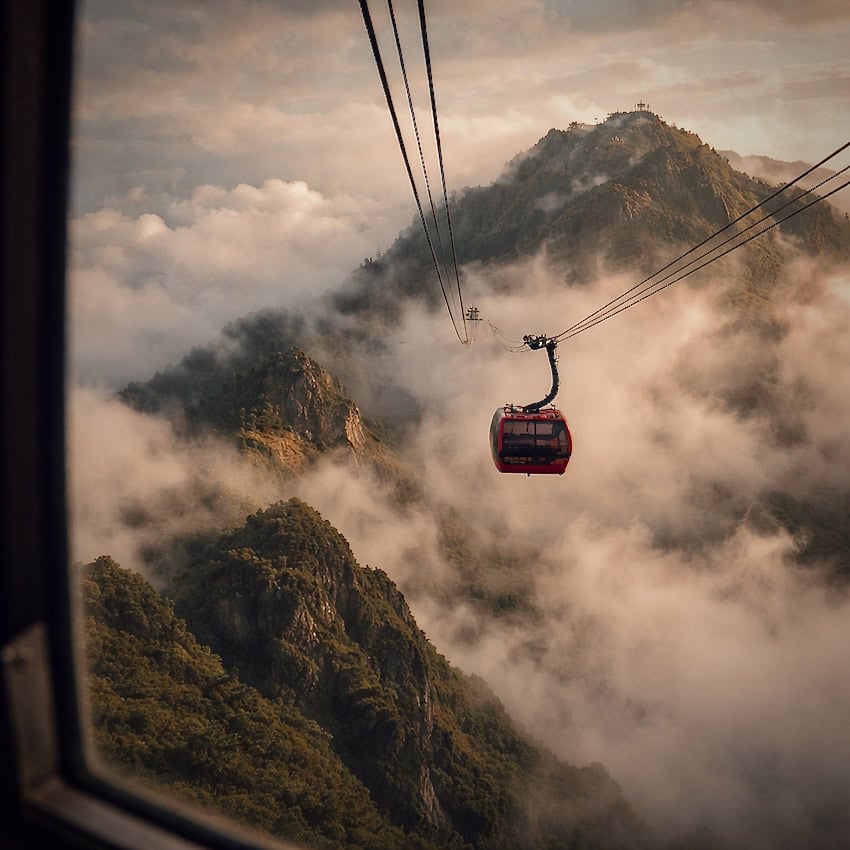
- Elevation: 3,143 meters — highest peak in Indochina
- Cable car tickets: 790,000 VND per adult on weekdays; 850,000 VND weekend surcharge
- Operating hours: 7:30am – 5:30pm daily
- Ride time: Around 15–20 minutes to the top station
- Best time to go: Clear mornings in September–October or April–May
The cable car glides over Muong Hoa Valley, and if the sky is clear, the drop below the gondola is genuinely vertiginous. At the summit, the air is thin and noticeably colder. The Great Amitabha Buddha statue at 21.5 meters is hard to miss. You’ll also pass 18 bronze Arhat statues arranged along a spiritual path leading upward, which most people walk past without realizing what they’re looking at.
Tip
- Cloud cover on Fansipan is common and can hide the views entirely. Only go if the sky above Sapa town is clear blue — that’s your best signal.
- Buy tickets at the station, not from guesthouses. You’ll pay the same price without the middleman.
- Bring a layer. Even in summer, the summit can feel cold.
The Muong Hoa Valley Rice Terraces: Timing Is Everything
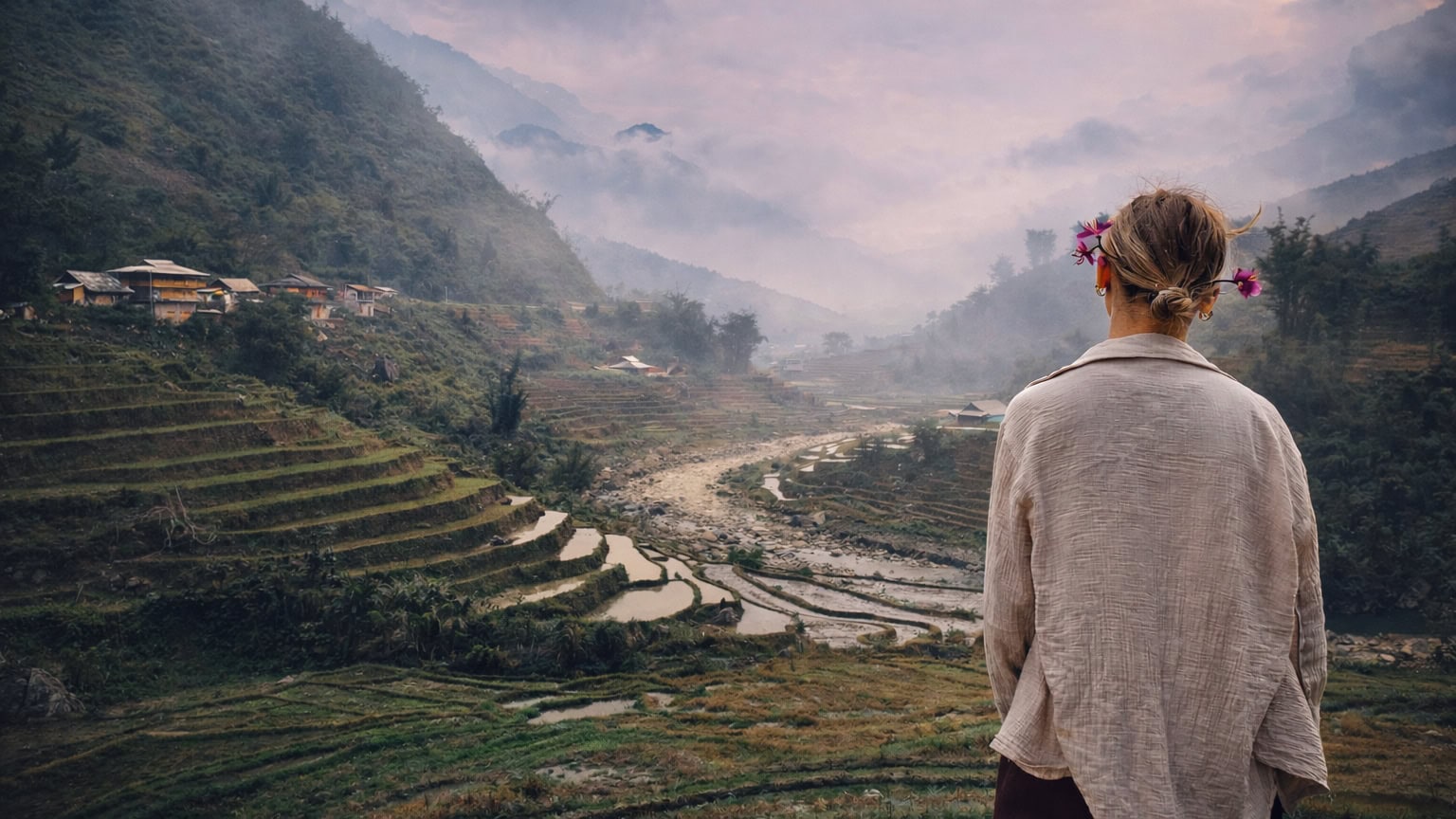
- Best time to visit: Late September to mid-October (golden harvest); late May to June (mirror-like flooded paddies)
- Access: On foot from Sapa town or by motorbike — most village treks depart from here
- Cost: Free to walk; guided treks vary by operator
The terraces cover around 2,200 hectares carved into the hillside across generations. In Late September the paddies turn gold and you can smell the cut rice drying at the roadside. Earlier in the season, after the farmers flood the fields, the water reflects the sky in long horizontal bands. I spent most of a morning just standing at a bend in the trail watching a woman guide a water buffalo through a terrace below, unhurried, knee-deep in water.
Tip
- Hire a local guide from one of the ethnic minority villages. They know the paths, speak the languages of the communities, and the income goes directly to them.
- Wear shoes you’re willing to ruin. The paths are muddy and uneven after rain.
Cat Cat Village: Pretty, But Very Touristy
- Distance from Sapa town: About 2 km downhill — a 30-minute walk
- Entrance fee: 150,000 VND per adult
- Best time to visit: Early morning before the tour groups arrive
- Crowd window: Gets busy by 9–10am; quieter before 8am
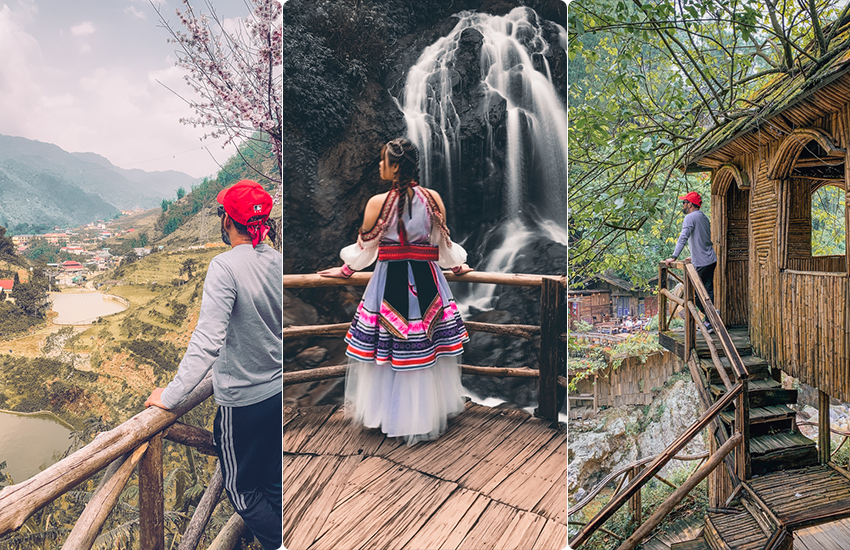
The village is at the base of Muong Hoa Valley and the walk down from Sapa town is genuinely pleasant. Cat Cat itself is a Black H’mong settlement that’s been around since the 19th century. Traditional wooden houses, terraced fields, and a waterfall are all within the same compact area. The honest assessment: it’s pretty, but it’s also one of the most visited spots in the region. If you walk past the village and continue down the trail toward Lao Chai and Ta Van, the crowd drops off fast and the scenery actually improves.
Tip
- The walk back up to Sapa town is steep. Consider a motorbike ride back for 50,000–80,000 VND if your legs are done.
- Skip the souvenir costume photos at the village entrance. They’re staged for tourists and the money doesn’t go to the community.
Love Waterfall: Worth the 15km Drive
- Distance from Sapa town: About 15 km west, 35 minutes by motorbike
- Entrance fee: 70,000 VND per person
- Trail to the falls: 15–20 minute walk through bamboo and forest
- Best time: Rainy season (June–September) for maximum water volume
The road out to Love Waterfall alone is worth doing. You gain elevation quickly and by the time you park, the valley is spread out below you. The trail to the falls cuts through bamboo so thick the air temperature drops noticeably. At 100 meters high, the waterfall produces a cold mist that carries about 20 meters back up the path. Most people are in and out in under an hour. I saw fewer tourists here than at anything in Sapa town.
Ta Phin Village: Quieter, More Honest Than Cat Cat
- Distance from Sapa town: About 12 km, 20 minutes by motorbike
- Elevation: Around 1,600 meters
- Ethnic groups: Black H’mong and Red Dao
- Best for: Travelers who want cultural depth without the heavy tourist infrastructure
Ta Phin sits on a hillside with terraced rice fields on three sides. The Red Dao women here are known for traditional herbal medicinal baths — a 45-minute soak in a tub of heated mountain herbs that smells intensely of pine and something sharper I couldn’t identify. It’s one of the genuinely specific things you can do in the Sapa region that isn’t available anywhere else. The village also has several embroidery workshops where women work in front of their houses without any performance about it.
Tip
- A Red Dao herbal bath typically costs around 150,000–200,000 VND at village-run facilities.
- Go on a weekday. It’s significantly quieter than Cat Cat on any given day, but weekends still draw day-trip crowds from Hanoi.
Ham Rong Mountain: Best for Gardens, Not Views
- Location: Walking distance from Sapa town center
- Entrance fee: 70,000–100,000 VND
- Best time: March–May when the terraced gardens are in bloom
- Crowd window: Mornings are calmer; afternoons fill with domestic tour groups
Ham Rong is a rocky mountain that rises directly behind Sapa town. The gardens cut into its slopes are formal and well-maintained, planted with orchids, roses, and dozens of species I didn’t know the names of. The panoramic views of the town and valley are decent on a clear day. On a misty day, which is most days, you’re looking into white. Come here for the gardens specifically, not the vistas.
The Stone Church and Sapa Town: Your First Hour
- Location: Town center — impossible to miss
- Built: Early 20th century by French colonizers
- Adjacent: Quang Truong Square — weekly Love Market held here every Saturday night
The Holy Rosary Church is a solid stone structure with a cross-shaped bell tower, and it looks out of context in the best possible way against a backdrop of mountain mist and market stalls. It’s worth a few minutes. The square in front of it is where you get your bearings when you first arrive — cafes on the perimeter, motorbike taxis idling, women in Red Dao headdresses selling embroidered bags. On Saturday evenings, the Love Market fills the square with music, traditional dress, and more activity than the rest of the week combined.
Conclusion
Sapa rewards flexibility over planning. The weather determines what’s worth doing each day — Fansipan only earns the effort when the sky is clear, and the terraces look completely different in September than in May. The most useful thing I can tell you is this: book at least three nights. One day of fog, one day of clear sky, and one day to just follow a trail without a fixed destination. That’s the actual Sapa experience.