
I spent 10 days in Georgia with one other person and we came home having spent around 0 USD each for the entire trip. That covers accommodation, food, transport, activities, and everything in between across Tbilisi, Batumi, Kutaisi, and Kazbegi. Georgia is not trying to be cheap. It just is. And once you understand how the money works here, it’s almost difficult to overspend.
What a Realistic Daily Budget Looks Like
- Budget traveler: 60–90 GEL per person per day — guesthouse, local Food, public transport
- Mid-range: 150–220 GEL per person per day — private room, restaurant meals, occasional taxi
- Our actual spend: Around USD per person per day across 10 days including everything
- What kept costs low: Family guesthouses, local restaurants, marshrutkas between cities, Bolt within cities
- What pushed costs up: Car rental for mountain areas, private transfers where marshrutkas don’t run
Two people, ten days, 0 USD total. That number is achievable without cutting corners or skipping things. We stayed in proper rooms, ate full meals, visited every major city, and got to Kazbegi and back. The math works because Georgia‘s baseline costs are low enough that normal travel decisions don’t hurt the budget the way they do in Western Europe or Southeast Asia’s more expensive destinations.
Accommodation: Guesthouses Beat Hotels Every Time
- Family guesthouse: 60–100 GEL per room per night, often includes breakfast
- Mid-range hotel: 160–280 GEL per night in Old Town areas
- Hostel dorm bed: 35–50 GEL per night
- Best area in Tbilisi: Old Town — central, walkable, guesthouses cheaper than anywhere else in the city
I stayed at Babilina Guesthouse in Tbilisi‘s Old Town twice on this trip and it was the right call both times. Clean room, central location, breakfast included, and the kind of hospitality that makes you feel like you’re staying with someone rather than paying for a service. That combination is standard across Georgia’s family guesthouse network. A mid-range hotel gives you a bigger bathroom and a reception desk. It doesn’t give you anything a good guesthouse doesn’t already have.
Tip
- Always ask if breakfast is included — most family guesthouses provide a full spread at no extra cost and it saves your first meal of the day entirely
- Book directly with the guesthouse by WhatsApp or email where possible — platform fees on Booking.com add 10–15% to the rate
- Read recent reviews specifically for noise and hot water — two things that vary more in budget guesthouses than anything else
Food: Eat Local, Spend Almost Nothing
- Local restaurant meal: 15–25 GEL per person including a drink
- Khinkali (dumplings): 1–1.50 GEL each — order 8–10 per person
- Khachapuri: 8–15 GEL depending on size and style
- Street snacks: 2–5 GEL
- Local wine by the jug: 10–20 GEL for a half-liter at a traditional restaurant
A full meal at a local Georgian restaurant — khinkali, khachapuri, salad, wine — costs around 20–30 GEL per person. That’s a proper meal, not a snack. The trick is finding where locals eat rather than where tourists are directed. One street back from the main tourist drag and prices drop 30 to 50 percent for the same food. The best khinkali I had in Georgia was at a place with plastic chairs, no English menu, and a handwritten price list on the wall.
Tip
- Order khinkali by the piece to control both budget and appetite — a dedicated dumpling house is always better value than a tourist restaurant
- Ask for the house wine rather than the menu wine — it’s usually homemade, cheaper, and better
- Avoid restaurants on the main pedestrian streets in Tbilisi Old Town and Batumi boulevard — you pay for the location, not the food
Fruit Markets: The Best Cheap Food in Georgia
- What to buy: Pomegranates, figs, grapes, walnuts, persimmons in autumn
- Price: A bag of pomegranates costs 3–5 GEL
- Fresh pomegranate juice: 5–10 GEL per large cup
- Best time: Autumn (September – November) for full market variety
Georgia grows fruit the way other countries grow flowers. The roadside markets between cities sell pomegranates, figs, and walnuts for almost nothing and the quality is consistently better than anything in a city supermarket. I bought fruit at every stop on the drive through the regions and ate it at every meal. The fresh-pressed pomegranate juice available at market stalls is worth stopping for every single time.
Tip
- Buy fruit at roadside stalls between cities rather than city markets — prices are lower and quality is fresher
- In Tbilisi, the Deserter’s Market near the train station has the best variety at the lowest prices
City Transport: The 1 GEL Rule
- Tbilisi metro and bus: 1 GEL per journey
- Airport bus (Bus 337): 1 GEL to Liberty Square — takes 40–50 minutes
- Metrocard: Buy at any metro station from 2 GEL, load credit as needed
- Bolt taxi: Most city trips 5–15 GEL depending on distance
- Between cities by marshrutka: 10–20 GEL depending on route
Within cities, Georgia is cheap to move around. The Tbilisi metro covers the main tourist areas and costs 1 GEL per journey. Bolt fills every gap the metro doesn’t cover and a cross-city trip rarely exceeds 15 GEL. Between cities, marshrutkas are the standard budget option — the Tbilisi to Kutaisi route costs around 15 GEL and takes three hours. The overnight train to Batumi costs 35–50 GEL and saves a hotel night at the same time. For a full breakdown of how to get between the main cities read the Tbilisi to Batumi guide and the Tbilisi to Kazbegi guide.
Tip
- Buy a Metrocard on arrival at Tbilisi airport and use it for the bus into the city — 1 GEL versus 30–40 GEL for a taxi
- Bolt is always cheaper than negotiating with a street taxi — use the app everywhere
- The overnight train to Batumi saves both transport cost and one night of Accommodation — book it ahead in peak season
Renting a Car: Only Where You Actually Need One
- When to rent: Kazbegi, Truso valley, Juta valley, rural areas where marshrutkas don’t run
- When not to rent: Tbilisi, Batumi, Kutaisi — Bolt is cheaper and easier
- Local agency daily rate: 95–120 GEL per day for a standard car
- 4×4 rate: 150–200 GEL per day — needed for Juta and Truso valley roads
- Best local booking sites: Localrent.com, og.ge, tbilisicarrental.ge
- International platforms: 30–40% more expensive for the same car
We rented a car only for the mountain areas and it was the right decision. In Tbilisi and Batumi, a rental car is a cost you don’t need — parking is difficult, traffic is aggressive, and Bolt covers everything for a fraction of the daily rental rate. In Kazbegi the calculation reverses completely. Local 4×4 drivers are available but not always on your schedule, and the valleys around Kazbegi (Juta, Truso) require a vehicle you control. Renting for two or three days in the mountain region and using public transport everywhere else is the budget-smart approach. For everything you need to know about getting around Kazbegi independently read the Kazbegi guide.
Tip
- Book through a local Georgian agency rather than an international platform — the saving is 30–40% for identical vehicles
- Book at least 2 weeks ahead in summer and autumn — local agencies with good 4×4 stock sell out fast
- Fill up whenever you see a petrol station on mountain routes. Stations become scarce after Gudauri on the way to Kazbegi.
Activities: Almost Everything Is Free
- Narikala Fortress, Tbilisi: Free entry
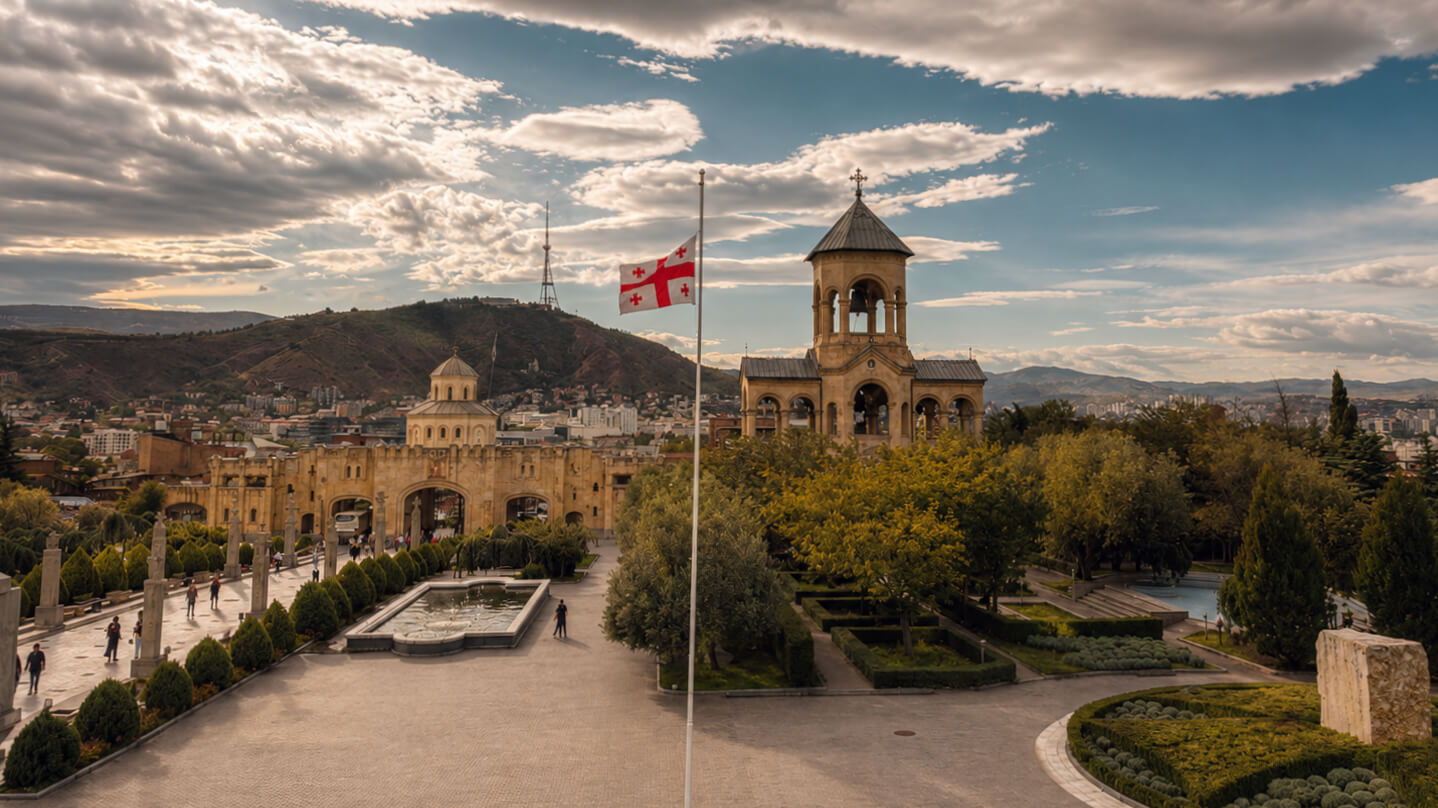
- Sameba Cathedral, Tbilisi: Free
- Georgia Chronicles Monument: Free — Bolt from center costs 20–30 GEL return. Full guide here.
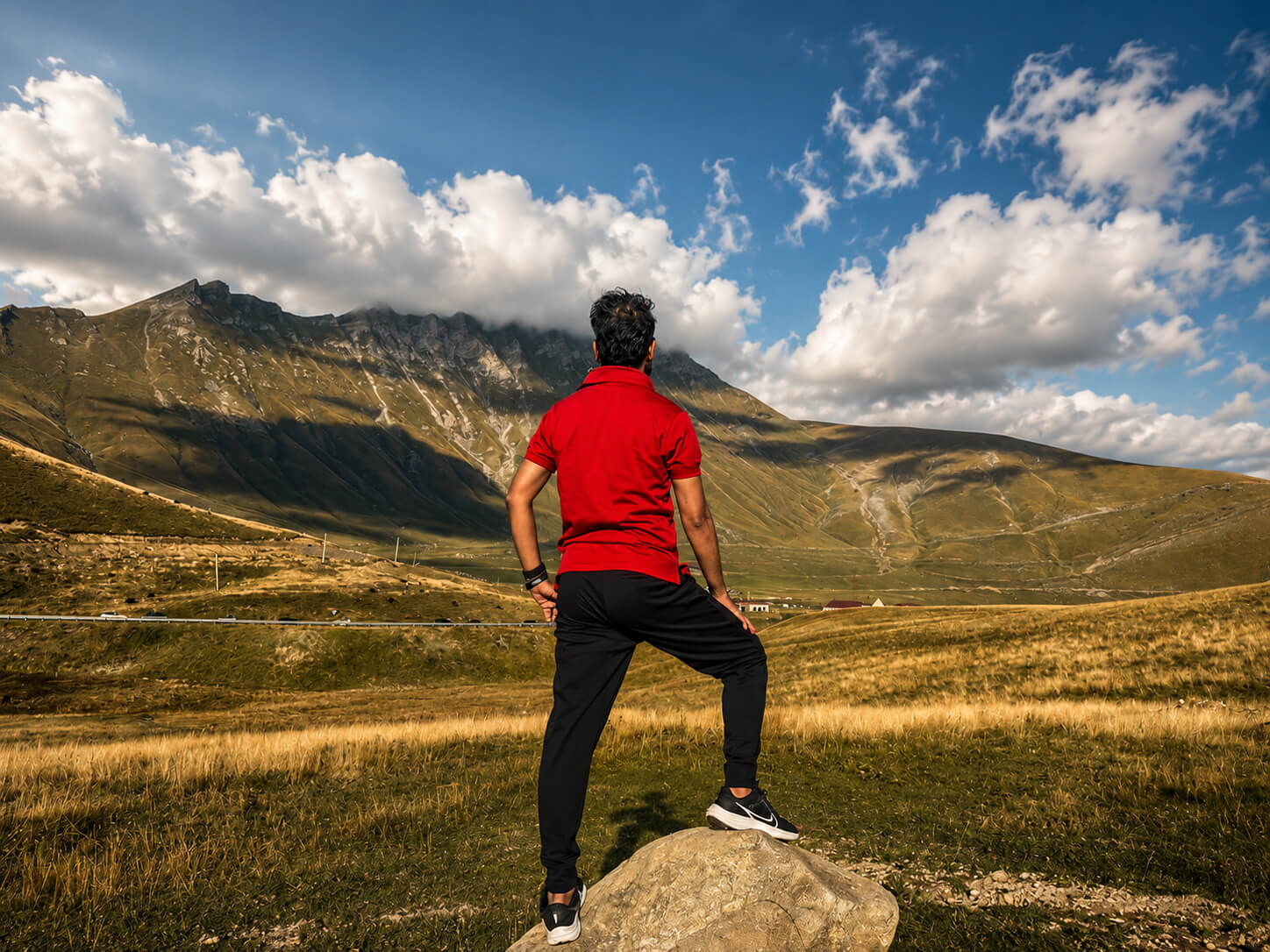
- Gergeti Trinity Church, Kazbegi: Free
- Bagrati Cathedral, Kutaisi: Free
- Sulfur baths, Tbilisi: Private rooms from 60–120 GEL per hour
- Cable cars: Tbilisi cable car 2–3 GEL. Batumi Argo cable car 33 GEL.
Almost every major sight in Georgia costs nothing to enter. The fortresses, cathedrals, monuments, and mountain viewpoints are all free. The only real activity costs are the sulfur baths in Tbilisi (worth it for at least one visit) and transport to reach the sites. Budget your day around getting there rather than getting in. A full day of sightseeing in Tbilisi can cost under 30 GEL total including all transport.
Tip
- The sulfur baths are worth doing once — book a private room rather than the public pool for a better experience
- Combine the Chronicles Monument with a Mtskheta visit on the same day — both are outside the city center and a single car hire covers both. Mtskheta day trip guide here.
Budget by City: What Each Place Actually Costs
- Tbilisi: Most affordable major city in Georgia. Guesthouse 60–100 GEL. Meals 15–25 GEL. Transport 1–15 GEL. Full day budget: 100–150 GEL per person.
- Batumi: Slightly higher than Tbilisi in peak season. Boulevard restaurants cost more. Old Town guesthouses keep accommodation affordable. Full day budget: 120–180 GEL per person in summer.
- Kazbegi: Limited options push prices slightly higher. Guesthouse 80–120 GEL. 4×4 day trips add cost. Full day budget: 150–200 GEL per person including a valley trip.
- Kutaisi: Cheapest of the four main cities. Guesthouse 50–80 GEL. Meals 10–20 GEL. Full day budget: 80–120 GEL per person.
Kutaisi is the cheapest city in the Georgia circuit and Kazbegi is the most expensive once you factor in 4×4 transport to the valleys. Tbilisi and Batumi sit in the middle. The overall trip cost stays manageable because cheap cities balance the more expensive ones — a night in Kutaisi costs half what a night in Kazbegi does, and the food everywhere outside Batumi’s tourist boulevard is consistently affordable.
How We Kept It Under $400 Each
Ten days, two people, $400 USD each. The decisions that kept it there: family guesthouses over hotels every time, local restaurants one street back from the tourist areas, marshrutkas between cities where the train didn’t run, Bolt instead of taxis within cities, and a rental car only for the three days we needed mountain access. Georgia does the rest. The country is cheap enough that normal travel decisions — eating well, staying somewhere clean, moving around freely — don’t push the budget into uncomfortable territory.
Georgia rewards travelers who move slowly, eat locally, and stay in family guesthouses. The country’s affordability isn’t something you have to chase — it’s the default. Ten days here costs what three days costs in most of Western Europe, and you leave having eaten better, seen more, and spent less than almost anywhere comparable. For everything you need to plan the full trip read the Georgia First Timer’s Complete Guide.